
İnverter Türleri ve Kullanım Alanları
Güneş enerjisi sistemlerinin kalbinde yer alan en önemli bileşenlerden biri inverter (çevirici) cihazlardır. İnverterler, güneş panellerinden gelen doğru akımı (DC) alternatif akıma (AC) çevirerek evlerde, iş yerlerinde ve endüstriyel tesislerde kullanılabilir hale getirir. Ancak her inverter aynı değildir.
Kullanım alanına, enerji ihtiyacına ve sistem yapısına göre farklı inverter türleri bulunur. Solinved, farklı ölçeklerdeki sistemler için geliştirdiği on-grid, off-grid ve hibrit inverter çözümleri ile maksimum verim, güvenlik ve dayanıklılık sağlar.
Bu yazıda, inverter türlerini, çalışma prensiplerini ve hangi alanlarda kullanıldıklarını Solinved’in yenilikçi enerji çözümleriyle birlikte detaylı olarak inceleyeceğiz.
İnverter Nedir?
İnverter, güneş panellerinden elde edilen DC elektriği, ev ve iş yerlerinde kullanılan AC elektriğe dönüştüren cihazdır. Bu sayede panellerden üretilen enerji doğrudan kullanılabilir, şebekeye aktarılabilir veya bataryalarda depolanabilir.
Modern inverterler, yalnızca enerji dönüşümü yapmakla kalmaz;
Sistemin performansını izler,
Enerji üretimini optimize eder,
Arıza durumlarını tespit eder,
Uzaktan kontrol imkânı sunar.
Solinved inverterleri, MPPT (Maximum Power Point Tracking) teknolojisi sayesinde panellerden maksimum enerji üretimi sağlar.
İnverter Türleri
Güneş enerji sistemlerinde kullanılan inverterler genel olarak üç ana kategoriye ayrılır:
1. On-Grid (Şebeke Bağlantılı) İnverterler
Bu inverter türü, şebeke elektriğiyle entegre çalışır. Güneş panellerinden gelen enerji, inverter tarafından AC’ye çevrilir ve şebekeye aktarılır.
Çalışma Prensibi:
Gündüz üretilen enerji, öncelikle binada kullanılır.
Fazla enerji varsa, şebekeye geri satılabilir (net metering sistemiyle).
Şebeke elektriği kesildiğinde sistem de durur (güvenlik sebebiyle).
Kullanım Alanları:
Ev tipi güneş enerji sistemleri
Ofisler ve ticari işletmeler
Şebekeye enerji satışı yapılan projeler
Solinved Çözümleri:
Solinved’in on-grid inverterleri, yüksek verimli MPPT modülleri, uzaktan izleme özellikleri ve düşük kayıplı enerji dönüşümü ile öne çıkar.
2. Off-Grid (Şebekeden Bağımsız) İnverterler
Off-grid inverterler, şebeke bağlantısının olmadığı alanlarda enerji üretmek için kullanılır. Bu sistemlerde üretilen enerji bataryalarda depolanır ve ihtiyaç anında kullanılır.
Çalışma Prensibi:
Panellerden gelen enerji inverter tarafından DC’den AC’ye çevrilir.
Fazla enerji, lityum bataryalarda depolanır.
Gece veya güneşsiz günlerde bataryadaki enerji kullanılır.
Kullanım Alanları:
Kırsal bölgeler, dağ evleri ve kamp alanları
Elektrik şebekesine uzak tarım arazileri
Güneş enerjili sulama sistemleri
Telekom ve güvenlik altyapıları
Solinved Çözümleri:
Solinved off-grid inverterleri, yüksek enerji depolama uyumu ve akıllı şarj kontrol sistemi ile kesintisiz enerji sağlar. Ayrıca Solar sürücüler ve tarımsal uygulamalar için optimize edilmiştir.
3. Hibrit İnverterler
Hibrit inverterler, on-grid ve off-grid sistemlerin özelliklerini birleştirir. Hem şebekeyle entegre çalışabilir hem de batarya desteği ile kesintisiz enerji sağlar.
Çalışma Prensibi:
Gündüz üretilen enerji önce binada kullanılır.
Fazla enerji bataryalarda depolanır.
Şebeke kesildiğinde sistem otomatik olarak batarya enerjisine geçer.
MPPT teknolojisiyle maksimum verim elde edilir.
Kullanım Alanları:
Ev ve villa sistemleri
Küçük işletmeler ve ofisler
Elektrik kesintilerinin sık yaşandığı bölgeler
Endüstriyel tesislerde yedek enerji desteği
Elektrikli araç şarj sistemleri
Solinved Çözümleri:
Solinved hibrit inverterleri, akıllı enerji yönetimi, uzaktan izleme ve lityum batarya entegrasyonu ile tam kontrol sunar.
Ayrıca, Solinved Charge ile elektrikli araç şarj sistemlerinde enerji depolama ve inverter entegrasyonu sağlar.
Diğer İnverter Türleri
Mikro İnverterler
Her panel için ayrı inverter kullanılarak panel bazlı enerji yönetimi yapılır.
Avantajı: Gölgeleme veya panel arızası tüm sistemi etkilemez.
Kullanım: Küçük ölçekli çatı sistemleri, apartman projeleri.
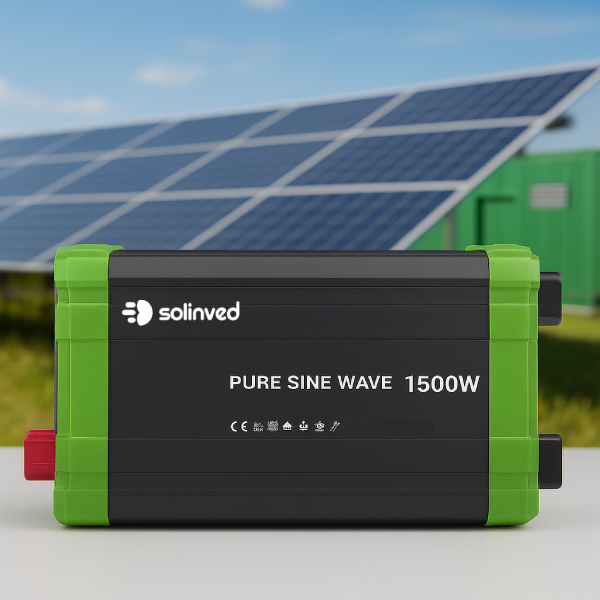
Power İnverterler (Taşınabilir Sistemler)
Taşınabilir enerji sistemlerinde DC aküyü AC’ye dönüştürür.
Kullanım: Karavanlar, tekneler, mobil enerji çözümleri.
İnverter Seçiminde Dikkat Edilmesi Gerekenler
Sistem Kapasitesi: İnverterin gücü, panel kapasitesiyle uyumlu olmalıdır.
Verimlilik Oranı: MPPT destekli inverterler tercih edilmelidir.
Enerji Depolama Uyumu: Batarya entegrasyonu olan inverterler daha esnektir.
Uzaktan İzleme Özelliği: Performans takibi ve arıza yönetimi kolaylaşır.
Marka Güvencesi ve Servis Ağı: Solinved gibi yerli üretim ve teknik destek sağlayan markalar tercih edilmelidir.
Solinved İnverter Sistemlerinin Öne Çıkan Özellikleri
%98’e Varan Verimlilik: MPPT teknolojisi ile maksimum enerji dönüşümü.
Uzaktan İzleme: Mobil ve web arayüzüyle performans kontrolü.
Tam Entegrasyon: Güneş paneli, batarya, solar sürücü ve şarj sistemiyle tam uyum.
Güvenli Çalışma: Aşırı gerilim, kısa devre ve sıcaklık koruması.
Yüksek Dayanıklılık: Endüstriyel standartlarda uzun ömürlü tasarım.
Yerli Üretim Desteği: Türkiye’de üretilen inverterlerle hızlı servis ve yedek parça imkânı.
Solinved İnverterlerin Kullanım Alanları
Solinved inverter çözümleri, her ölçekte projeye uygun şekilde tasarlanmıştır:
| Uygulama Alanı | Uygun İnverter Türü | Solinved Çözümü |
|---|---|---|
| Ev Sistemleri | On-Grid / Hibrit | Solinved Monofaze İnverter |
| Ticari İşletmeler | On-Grid / Hibrit | Solinved Trifaze İnverter |
| Endüstriyel Tesisler | Hibrit | Solinved Akıllı İnverter Serisi |
| Tarımsal Sulama | Off-Grid | Solinved Solar Sürücü Entegre İnverter |
| Elektrikli Araç Şarjı | Hibrit | Solinved Charge Entegrasyonu |
| Uzak Bölgeler | Off-Grid | Solinved Batarya Destekli Sistemler |
Solinved ile Enerji Yönetiminde Yeni Nesil Dönem
Solinved, inverter teknolojilerini yalnızca enerji dönüşümü için değil, akıllı enerji yönetimi için geliştiriyor.
Yeni nesil inverter sistemleriyle:
Enerji üretimi anlık olarak izleniyor,
Fazla enerji bataryalarda depolanıyor,
Şebekeden bağımsız sistemlerle enerji sürekliliği sağlanıyor.
Solinved’in amacı, yalnızca enerji üretmek değil, enerjiyi akıllıca yönetmek ve kullanıcıya tam bağımsızlık sunmaktır.
SSS (Sık Sorulan Sorular)
1. En verimli inverter türü hangisidir?
Kullanım alanına göre değişir. Enerji depolama gereken sistemlerde hibrit inverterler en verimli seçenektir.
2. On-grid ve off-grid farkı nedir?
On-grid sistemler şebekeye bağlıdır, off-grid sistemler ise tamamen bağımsız çalışır.
3. Solinved inverterler batarya ile uyumlu mu?
Evet, tüm hibrit ve off-grid modeller lityum batarya sistemleriyle tam uyumludur.
4. Tarımsal sistemlerde hangi inverter kullanılır?
Off-grid inverterler, solar sürücülerle birlikte enerji verimli sulama sağlar.
5. Solinved inverterlerin ömrü ne kadardır?
Düzenli bakım ile 10–15 yıl arasında güvenli şekilde çalışabilir.