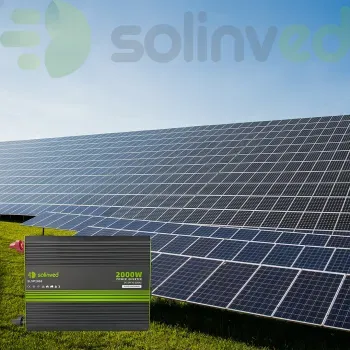

Kaç Çeşit İnverter(İnvertör) Vardır?

Günümüzde güneş enerjisi sistemlerinin popülaritesi arttıkça, sistemde kullanılan solar inverterlerin rolü de giderek daha fazla önem kazanmaktadır. Solar inverterler, güneş panellerinden elde edilen doğru akımı (DC), alternatif akıma (AC) dönüştürerek, elektriğin evlerde ve işletmelerde kullanılabilir hale gelmesini sağlar. Ancak, her inverter türü farklı bir ihtiyaca hitap eder ve her biri sistemin verimliliğini etkiler. Bu yazıda, solar inverterlerin çeşitlerini inceleyecek ve her bir türün ne işe yaradığını, avantajlarını ve dezavantajlarını detaylı bir şekilde açıklayacağız.
1. On-Grid İnverter (Şebeke Bağlantılı İnverter)
On-Grid inverterler, en yaygın kullanılan inverter türüdür. Bu inverterler, güneş enerjisi sistemlerini şebekeye bağlar ve elde edilen fazla enerjiyi doğrudan elektrik şebekesine aktarır. Bu tür inverterler, genellikle evlerde, ticari binalarda ve sanayide kullanılır.
Çalışma Prensibi ve Avantajları:
- Şebekeye Bağlantı: On-Grid inverterler, güneş enerjisinin fazla kısmını şebekeye geri göndererek enerji tasarrufu sağlar. Bu fazla enerji, kullanıcı tarafından şebekeden gerektiğinde alınabilir.
- Düşük Maliyet: Şebeke bağlantılı inverterler, bağımsız sistemlere kıyasla daha uygun maliyetlidir. Çünkü enerji depolama (akü) gereksinimi yoktur.
- Enerji Fiyatlandırması: Fazla üretilen enerji şebekeye verildiğinde, bazı yerlerde bu enerji için ödeme yapılabilir ya da enerji faturası düşürülebilir.
Dezavantajları:
- Elektrik Kesintisinde Çalışmama: Şebeke bağlantısının kesildiği durumlarda, güvenlik nedeniyle inverter de durur. Bu durumda, şebekeye bağlı bir sistemin çalışması durur.
- Sadece Şebekeye Bağlı Alanlarda Kullanılır: On-Grid inverterler, yalnızca şebeke altyapısının bulunduğu bölgelerde kullanılabilir. Şebekeye uzak bölgelerde veya kırsal alanlarda kullanılamazlar.
2. Off-Grid İnverter (Şebekeden Bağımsız İnverter)
Off-Grid inverterler, şebeke bağlantısı olmayan yerlerde veya enerji altyapısının olmadığı bölgelerde kullanılır. Bu inverterler, güneş enerjisinden elde edilen enerjiyi doğrudan kullanmak yerine, enerji depolama sistemleri (aküler) ile birleştirir ve gece ya da güneş ışığının yetersiz olduğu zamanlarda enerji sağlayacak şekilde çalışır.
Çalışma Prensibi ve Avantajları:
- Bağımsız Çalışma: Bu inverterler, herhangi bir elektrik şebekesiyle bağlanmaz. Bu nedenle, tamamen bağımsız olarak güneş enerjisinden elektrik üretilebilir.
- Enerji Depolama: Enerji, güneşli günlerde akülere depolanır ve gece ya da kötü hava koşullarında kullanılabilir.
- Kırsal Alanlar İçin Uygundur: Elektrik altyapısının olmadığı yerlerde, kırsal alanlarda ve dağlık bölgelerde tercih edilir.
Dezavantajları:
- Yüksek Maliyet: Off-Grid sistemler, enerji depolama için aküler gerektirdiğinden daha pahalıdır. Ayrıca, akülerin düzenli olarak bakımı ve değişimi gerekebilir.
- Sınırlı Enerji Depolama Kapasitesi: Depolama kapasitesinin sınırlı olması nedeniyle, kullanıcılar enerji tüketimlerini dikkatlice planlamak zorundadır.
3. Hibrit İnverter (Hybrid İnverter)
Hibrit inverterler, hem şebeke bağlantılı hem de enerji depolama sistemine entegre çalışabilen inverterlerdir. Bu inverterler, fazla enerjiyi şebekeye verirken, aynı zamanda enerjiyi akülerde depolayabilir. Güneş enerjisi sistemlerinde verimliliği artırmak için ideal çözümler sunar.
Çalışma Prensibi ve Avantajları:
- Şebeke ve Akü Entegrasyonu: Hibrit inverterler, şebeke bağlantısı ve enerji depolama fonksiyonlarını birleştirir. Güneş enerjisi ile şebekeye enerji aktarılabilir veya depolanabilir.
- Enerji Depolama ve Verimli Kullanım: Fazla enerji, aküde depolanarak güneş ışığı olmadığında kullanılabilir. Bu özellik, enerji verimliliğini artırır.
- Elektrik Kesintileri Durumunda Güvenlik: Elektrik kesintisi durumunda, hibrit inverterler depolanan enerjiyi kullanarak sistemin çalışmasını sağlar.
Dezavantajları:
- Yüksek Maliyet: Hibrit inverterler, hem şebeke hem de akü entegrasyonu gerektirdiği için daha pahalı olabilir.
- Sistem Karmaşıklığı: Bu inverter türü, daha fazla donanım gerektirir ve kurulum sırasında daha fazla dikkat gerektirir.
4. Mikro İnverter (Microinverter)
Mikro inverterler, her bir güneş paneline entegre edilen küçük inverterlerdir. Her panelin kendi inverteri olduğundan, bu inverter türü, panel bazında enerji optimizasyonu sağlar.
Çalışma Prensibi ve Avantajları:
- Bağımsız Panel Optimizasyonu: Mikro inverterler, her bir panelin verimliliğini ayrı ayrı optimize eder, böylece her panelin maksimum enerji üretmesi sağlanır.
- Gölgelenme Sorununu Azaltır: Panellerin farklı yönlere yerleştirildiği çatı yapılarında veya gölgelenmeye maruz kalan panellerde, mikro inverterler daha verimli çalışır.
- Modüler Yapı: Mikro inverterler, sistemdeki panellerin sayısına bağlı olarak kolayca modüler hale getirilebilir.
Dezavantajları:
- Yüksek Maliyet: Her bir panel için ayrı inverter gerektiğinden, mikro inverterler genellikle daha pahalıdır.
- Bakım ve İzleme Zorluğu: Çok sayıda mikro inverter olduğunda, bunların izlenmesi ve bakımı daha karmaşık hale gelebilir.
5. Merkezi İnverter (Central Inverter)
Merkezi inverterler, büyük ölçekli güneş enerjisi projelerinde kullanılır. Bu inverter türü, tüm güneş panellerinden gelen doğru akımı tek bir noktada toplar ve dönüştürür.
Çalışma Prensibi ve Avantajları:
- Büyük Ölçekli Uygulamalar: Merkezi inverterler, geniş alanlarda ve büyük projelerde kullanılır. Özellikle ticari güneş enerjisi santrallerinde tercih edilir.
- Yüksek Verimlilik: Büyük ölçekli sistemlerde verimlilik açısından avantajlıdır, çünkü tek bir inverter ile daha büyük enerji üretilebilir.
- Kolay Bakım: Sistemde tek bir inverter olduğu için bakım daha kolaydır.
Dezavantajları:
- Sistem Arızaları: Merkezi inverterlerin arızalanması, tüm sistemi etkileyebilir.
- Gölgelenme ve Panel Performansı: Eğer bir panel arızalanırsa, tüm sistemin verimliliği düşebilir.
Sonuç
Solar inverterler, güneş enerjisi sistemlerinin performansını belirleyen kritik bileşenlerdir. On-Grid, Off-Grid, Hibrit, Mikro, Merkezi ve String inverterler gibi çeşitler, farklı ihtiyaçlara hitap eder. Sisteminizin büyüklüğü, kurulum alanı, enerji tüketim alışkanlıklarınız ve bütçeniz, doğru inverter türünü seçmenizde belirleyici faktörlerdir.
Solar inverterlerin her biri, kendine özgü avantaj ve dezavantajlara sahip olup, sisteminizin verimliliği ve uzun ömürlü çalışması için doğru inverter seçimi büyük önem taşır. Güneş enerjisi sisteminizin verimli çalışması için ihtiyaçlarınıza uygun inverteri seçmek, yüksek performans ve daha düşük enerji maliyetleri sağlar.