

Solar Enerji Ekipmanlarının Önemi
Giriş
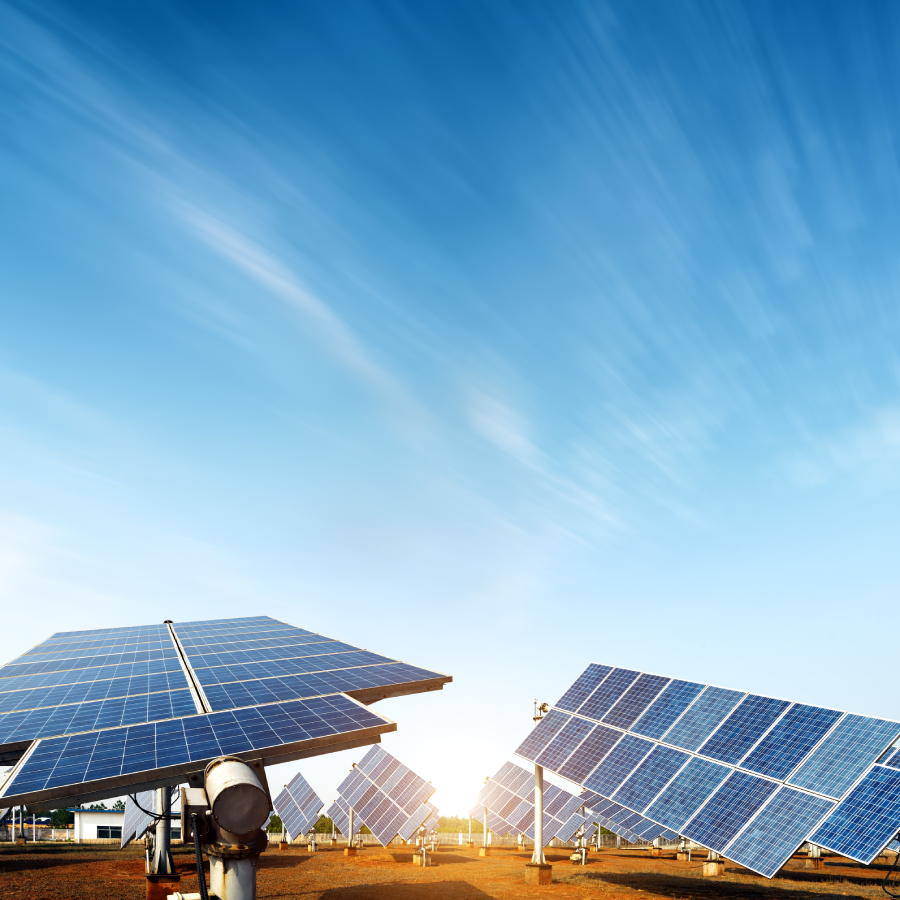
Güneş enerjisi, sürdürülebilir ve yenilenebilir enerji kaynakları arasında en çok tercih edilenlerden biridir. Ancak, verimli bir güneş enerjisi sistemi kurabilmek için yalnızca güneş panelleri yeterli değildir. Solar enerji ekipmanları, sistemin performansını, verimliliğini ve uzun ömürlü olmasını sağlamak için kritik bir rol oynar. Bu yazıda, güneş enerjisi sistemlerinde kullanılan temel ekipmanları ve bunların önemini ele alacağız.
1. Güneş Panelleri (Solar Paneller)
Önemi:
- Enerji Üretiminin Ana Kaynağıdır: Güneş ışığını elektrik enerjisine çevirerek sistemin temel enerji üretimini sağlar.
- Verimlilik Oranı Sistemin Performansını Belirler: Panellerin kalitesi ve verimlilik oranı, sistemin üreteceği enerjiyi doğrudan etkiler.
- Dayanıklılık Uzun Ömür Sağlar: Dış hava koşullarına karşı dayanıklı malzemelerden üretilmiş paneller, uzun yıllar boyunca güvenilir enerji üretimi sağlar.
Dikkat Edilmesi Gerekenler:
- Verimlilik yüzdesi (monokristal, polikristal veya ince film paneller arasındaki farklar)
- UV ışınlarına ve hava şartlarına dayanıklılık
- Garanti süresi ve panel ömrü
2. Solar İnverterler (Güç Dönüştürücüler)
Önemi:
- Doğru Akımı (DC) Alternatif Akıma (AC) Çevirir: Güneş panelleri doğru akım üretir, ancak evlerde ve işletmelerde kullanılan enerji alternatif akımdır. İnverterler, bu dönüşümü gerçekleştirerek sistemin elektrik ihtiyacını karşılar.
- Şebeke Uyumluluğunu Sağlar: On-grid (şebeke bağlantılı) sistemlerde inverterler, üretilen elektriğin şebekeye uygun hale getirilmesini sağlar.
- Verimlilik Kaybını Önler: MPPT (Maksimum Güç Noktası Takibi) teknolojisine sahip inverterler, panellerin maksimum verimlilikte çalışmasını sağlayarak enerji kayıplarını en aza indirir.
Dikkat Edilmesi Gerekenler:
- On-grid, off-grid ve hibrit inverter seçenekleri
- MPPT teknolojisi ile verimlilik artışı
- Dayanıklılık ve soğutma sistemleri
3. Solar Aküler (Enerji Depolama Sistemleri)
Önemi:
- Üretilen Enerjiyi Depolar: Off-grid (şebekeden bağımsız) sistemlerde, güneş ışığının olmadığı saatlerde kullanılmak üzere enerji depolamak için gereklidir.
- Enerji Kesintilerine Karşı Güvence Sunar: Elektrik kesintilerinde devreye girerek kesintisiz güç sağlar.
- Güneş Enerjisinin Sürekli Kullanılmasını Sağlar: Gündüz üretilen fazla enerjiyi depolayarak gece veya bulutlu günlerde kullanılmasını mümkün kılar.
Dikkat Edilmesi Gerekenler:
- Lityum-iyon, jel ve AGM akü tipleri arasındaki farklar
- Şarj/deşarj döngü ömrü
- Depolama kapasitesi ve verimlilik oranı
4. Solar Şarj Kontrol Cihazları
Önemi:
- Aküleri Aşırı Şarjdan Korur: Güneş panellerinden gelen akımın akülere zarar vermemesi için şarj yönetimini yapar.
- Sistem Verimliliğini Artırır: MPPT veya PWM teknolojisi ile akülere optimum seviyede enerji iletilmesini sağlar.
- Güvenliği Sağlar: Aşırı akım, kısa devre ve ters bağlantı gibi olası elektriksel sorunları önler.
Dikkat Edilmesi Gerekenler:
- MPPT (Maksimum Güç Noktası Takibi) ve PWM (Darbe Genişlik Modülasyonu) arasındaki farklar
- Çıkış voltaj ve akım kapasiteleri
- Koruma devreleri ve uzun ömürlü kullanım
5. Solar Kablolar ve Bağlantı Ekipmanları
Önemi:
- Güç Kaybını Önler: Düşük dirençli ve yüksek kaliteli kablolar, güneş panellerinden invertere veya aküye giden enerjinin kaybolmasını önler.
- Yangın ve Kısa Devre Risklerini Azaltır: UV ışınlarına dayanıklı, yanmaz kablolar ve MC4 bağlantı ekipmanları güvenliği artırır.
- Verimli Enerji Akışı Sağlar: Doğru kablo kalınlığı ve bağlantı noktaları sistemin sağlıklı çalışmasını sağlar.
Dikkat Edilmesi Gerekenler:
- UV dayanıklılığı ve dış ortam şartlarına uygunluk
- Kalınlık ve iletkenlik kapasitesi
- MC4 konnektörlerin kalitesi ve su geçirmezlik seviyesi
6. Solar Montaj Ekipmanları ve Taşıyıcı Sistemler
Önemi:
- Panellerin Optimum Açıda Konumlanmasını Sağlar: Güneş ışınlarını en iyi şekilde alacak açıda monte edilmeleri gerekir.
- Panellerin Güvenliğini Artırır: Güçlü rüzgar, dolu gibi hava olaylarına karşı dayanıklılık sağlar.
- Ömür Boyu Stabilite Sağlar: Paslanmaz çelik veya alüminyum gibi dayanıklı malzemeler uzun süre kullanım sunar.
Dikkat Edilmesi Gerekenler:
- Montaj açısı ve coğrafi konuma uygunluk
- Dayanıklı malzeme seçimi (paslanmaz çelik, alüminyum vb.)
- Çatı veya arazi tipi montaj sistemlerinin uygunluğu
Sonuç
Solar enerji sistemlerinde paneller, inverterler, aküler, şarj kontrol cihazları, kablolar ve montaj ekipmanları, sistemin verimli ve güvenli çalışmasını sağlayan temel bileşenlerdir. Kaliteli ekipman seçimi, sistemin uzun ömürlü, güvenli ve yüksek verimli olmasını garanti eder.
Güneş enerjisi sisteminizin başarısını belirleyen en önemli faktörlerden biri, doğru ekipmanları seçmek ve sisteminizi ihtiyacınıza göre optimize etmektir. Bu nedenle, her bileşenin kalitesine ve performansına dikkat ederek, uzun vadeli ve sürdürülebilir bir enerji çözümü oluşturabilirsiniz.


