Advantages of Smart Inverters
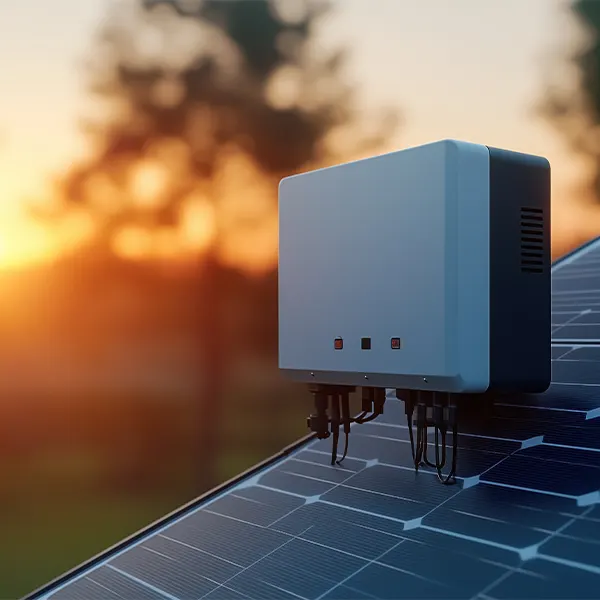
In solar energy systems, inverters convert DC energy to AC, enabling energy use in homes, workplaces, and some agricultural applications. But as technology advances, inverters are not only converting energy — they are now enhancing system performance with smart features. Solinved stands out in the industry with its smart inverters, delivering superior energy efficiency and user experience.
In this article, we will take a detailed look at what smart inverters are, what advantages they offer, and the solutions provided by Solinved.
What Is a Smart Inverter?
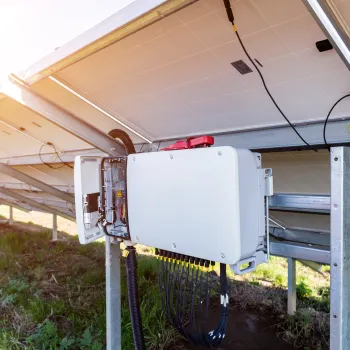
A smart inverter performs the DC-to-AC conversion of a conventional inverter while also offering energy management, system monitoring, and optimization features.
Its core functions include:
Converting DC energy to AC
Optimizing voltage and frequency
Monitoring energy production and consumption
Managing the system through battery or grid integration
Solinved's smart inverters maximize energy efficiency and extend system lifespan thanks to their advanced control and monitoring capabilities.
Key Advantages of Smart Inverters
1. Maximum Energy Efficiency
Smart inverters make the most efficient use of energy coming from solar panels. Solinved inverters optimize panel efficiency with MPPT (Maximum Power Point Tracking) technology, minimizing energy losses.
2. Remote Monitoring and Control
Solinved smart inverters allow users to monitor system performance via a mobile app or web interface. Users can receive real-time information about energy production, consumption, and system status, and make necessary adjustments remotely.
3. Advanced Energy Management
Smart inverters balance energy production and consumption to deliver maximum efficiency. Solinved systems can work in conjunction with batteries, providing uninterrupted energy by drawing on stored power when solar energy is insufficient.
4. Longer System Lifespan
Smart inverters detect conditions such as overloads, high temperatures, or low voltage and protect the system accordingly. This extends the lifespan of both the inverter and connected devices.
5. Adaptability to Various Applications
Residential: Efficiently meets the energy needs of homes.
Industrial Facilities: Delivers maximum performance in production lines and high-energy-demand environments.
Electric Vehicle Charging Stations: Works in conjunction with Solinved Charge to provide AC/DC charging capability.
Agricultural Irrigation (optional): Can operate irrigation pumps in an energy-efficient manner, enabling energy savings.
6. Easy Installation and Use
Solinved smart inverters offer easy installation and commissioning thanks to their user-friendly design. In addition, maintenance requirements are minimal due to system update and performance monitoring features.
Standout Features of Solinved Smart Inverters
MPPT Technology: Maximizes panel efficiency.
Real-Time Monitoring: Energy production and consumption can be tracked via mobile and web.
Energy Storage Integration: Compatible with lithium batteries or other energy storage solutions.
Remote Fault Diagnosis: Fault conditions can be monitored remotely, enabling rapid intervention.
High Durability: Designed to withstand harsh climate conditions and high temperatures.
Benefits of Using Smart Inverters
Energy Savings: The system uses energy in the most optimal way.
Eco-Friendly: Reduces fossil fuel use and lowers carbon emissions.
Uninterrupted Energy: Thanks to energy storage and smart management, power is available even when sunlight is insufficient.
Long Lifespan: System safety and overload protection safeguard the inverter and connected devices.
User-Friendly: Remote monitoring and control make operation convenient.
FAQ (Frequently Asked Questions)
1. What is a smart inverter?
Inverters that, in addition to converting DC energy to AC, also offer energy management, monitoring, and optimization features.
2. Which systems are Solinved smart inverters compatible with?
Compatible with residential, commercial, industrial systems, and solar-powered electric vehicle charging systems.
3. Do smart inverters increase energy production?
Yes, MPPT and advanced energy management maximize panel efficiency.
4. Do they require maintenance?
Minimal maintenance is sufficient. Periodic cleaning and performance checks are generally all that is needed.
5. Is remote monitoring possible?
Yes, energy production, consumption, and system status can be monitored via a mobile app or web interface.