
Bifacial Güneş Panelleri İle Daha Yüksek Enerji Verimi Nasıl Sağlanır?
Güneş enerjisi teknolojileri her geçen gün gelişiyor. Bugün artık sadece panelin ön yüzüyle değil, her iki yüzeyinden de enerji üreten yeni nesil sistemler kullanılabiliyor. Bu teknolojiye “Bifacial Güneş Paneli” adı veriliyor.
Solinved, yüksek verimlilik hedefiyle geliştirdiği Bifacial (çift yüzlü) panel çözümleriyle, geleneksel panellere kıyasla %15–30 oranında daha fazla enerji üretimi sağlıyor.
Bu yazıda, bifacial güneş panellerinin nasıl çalıştığını, enerji verimini nasıl artırdığını ve Solinved’in bu teknolojiyi nasıl en verimli hale getirdiğini detaylıca ele alacağız.
Bifacial Güneş Paneli Nedir?
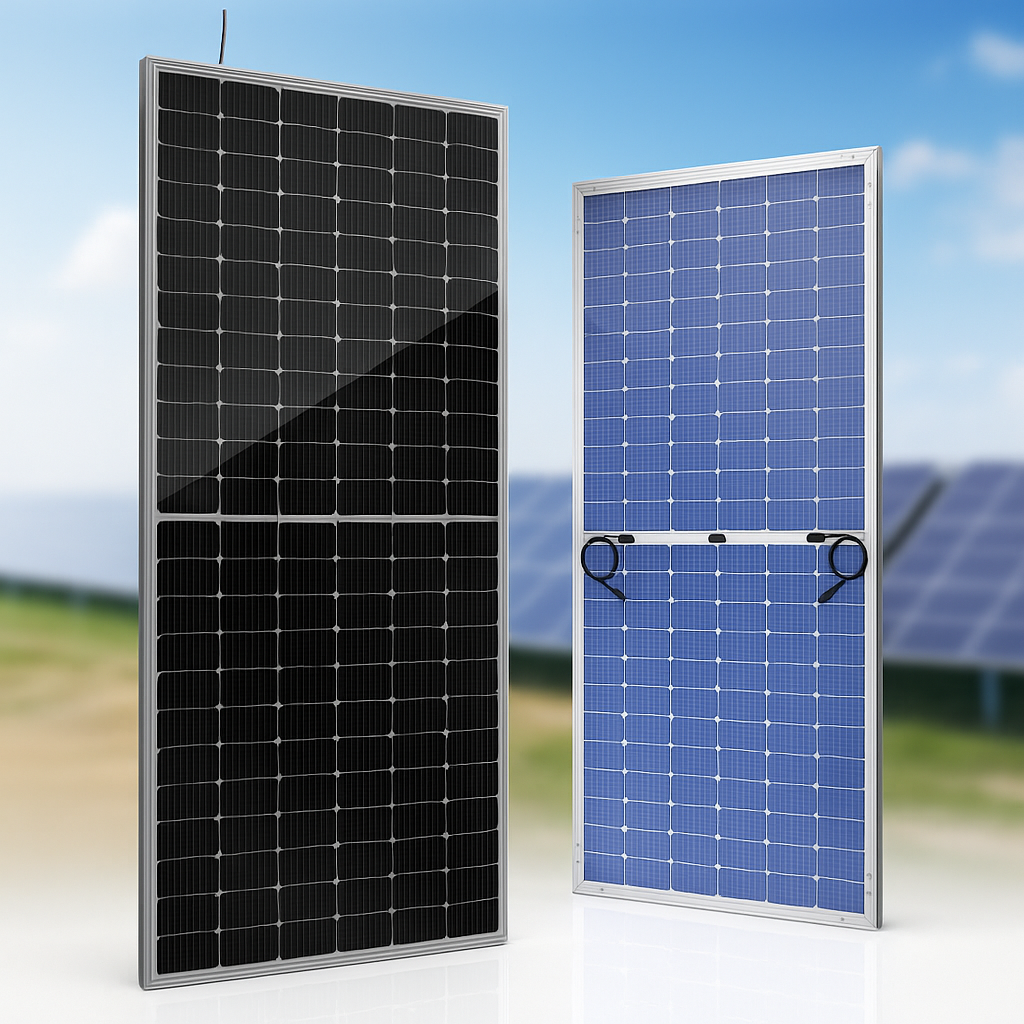
“Bifacial” kelimesi “çift yüzlü” anlamına gelir. Geleneksel paneller yalnızca ön yüzeylerinden güneş ışığını emerken, bifacial paneller hem ön hem arka yüzeylerinden ışık alarak elektrik üretir.
Bu sayede, yalnızca doğrudan gelen ışık değil, zeminden yansıyan ışık (albedo etkisi) de enerji üretimine katkı sağlar.
Solinved’in bifacial panelleri, yüksek kaliteli cam-cam (glass-glass) yapısı sayesinde hem dayanıklı hem de yüksek verimlidir.
Bifacial Paneller Nasıl Çalışır?
Ön Yüzey : Doğrudan güneş ışığını alarak elektrik üretir.
Arka Yüzey : Zeminden veya çevreden yansıyan ışığı da toplar. Bu ışık, hücrelerin arka tarafında ikinci bir enerji üretim kaynağı oluşturur.
Çift Katmanlı Cam Yapı : Hem ön hem arka yüzeyin şeffaf olması sayesinde, panellerin her iki tarafı da aktif çalışır.
Enerji Verim Artışı : Toplamda, klasik panellere göre %10 ila %30 arasında daha yüksek enerji üretimi mümkündür.
Bifacial Panellerin Enerji Verimliliğini Artıran Faktörler
1. Yansıtıcı Zemin (Albedo Etkisi)
Zeminden yansıyan ışığın miktarı, panellerin verimini doğrudan etkiler. Beyaz çakıl taşları, açık renkli zeminler veya kar yüzeyi, yansımayı artırır ve arka yüzeyin daha fazla ışık almasını sağlar.
Solinved önerisi: Panellerin kurulum alanı seçilirken yansıtıcılığı yüksek zemin tercih edilmelidir.
2. Panel Yüksekliği ve Eğim Açısı
Panelin yerden yüksekliği arttıkça arka yüzeyin gökyüzünü “görme” açısı genişler ve daha fazla yansıma alır. Ayrıca optimum eğim açısı, hem doğrudan hem de yansıyan ışığın en iyi şekilde alınmasını sağlar.
Solinved mühendislik ekibi, her proje için özel kurulum simülasyonları yaparak ideal açı ve yükseklik değerini belirler.
3. Çift Camlı (Glass-Glass) Tasarım
Solinved’in bifacial panellerinde kullanılan çift cam yapısı, hem ön hem arka yüzeyde yüksek geçirgenlik sağlar. Bu yapı aynı zamanda paneli nem, UV ışını ve çevresel etkilerden korur.
Sonuç olarak:
Daha uzun ömür (25–30 yıl kullanım süresi),
Yüksek mekanik dayanıklılık,
Minimum performans kaybı elde edilir.
4. Yüksek Verimli Hücre Teknolojisi
Solinved bifacial panellerinde kullanılan hücreler, PERC (Passivated Emitter Rear Contact) veya TOPCon (Tunnel Oxide Passivated Contact) teknolojisine sahiptir. Bu hücreler, ışığın daha fazla emilmesini sağlayarak yüksek dönüşüm verimliliği sunar.
Panel verimliliği: %21’in üzerinde değerlere ulaşabilir.
5. Sıcaklık ve Işık Yoğunluğu Duyarlılığı
Bifacial paneller, yüksek sıcaklıkta daha az performans kaybı yaşar. Bu da özellikle Türkiye gibi sıcak iklime sahip bölgelerde avantaj sağlar.
Solinved panelleri, düşük sıcaklık katsayısı sayesinde yaz aylarında bile yüksek verimle çalışır.
Solinved Bifacial Panellerin Öne Çıkan Özellikleri
Çift Yüzeyden Enerji Üretimi : Hem doğrudan hem yansıyan ışığı kullanarak daha fazla elektrik üretir.
Cam-Cam Yapı : Dayanıklı, uzun ömürlü ve estetik bir tasarıma sahiptir.
Yüksek Verimli Hücre Teknolojisi (TOPCon / PERC) : Dönüşüm verimi %21’in üzerindedir.
PID (Potential Induced Degradation) Koruması : Performans kaybını minimuma indirir.
Uzun Ömür ve Garanti : 30 yıla kadar performans garantisi.
Solinved Uyumluluğu : Akıllı inverter, batarya ve solar sürücü sistemleriyle tam entegrasyon.
Bifacial Paneller Nerelerde Kullanılır?
1. Arazi Tipi Güneş Enerji Santralleri (GES) : Geniş açık alanlarda kurulan sistemlerde, zeminden yüksek montaj yapılabildiği için arka yüzeyden maksimum verim alınır.
2. Ticari ve Endüstriyel Çatılar : Büyük ölçekli tesislerde, çatının yansıtıcı özelliği sayesinde yüksek enerji kazancı elde edilir.
3. Kar veya Kum Yüzeyli Bölgeler : Beyaz veya açık renkli yüzeylerde albedo etkisi sayesinde üretim ciddi oranda artar.
4. Solar Tarım Uygulamaları : Tarımsal sulama ve enerji üretiminin bir arada olduğu sistemlerde çift yönlü üretim avantajı sunar.
5. Güneş Enerjili Şarj İstasyonları : Solinved Charge ile birlikte kullanıldığında, enerji üretimi ve depolama verimliliği artar.
Bifacial Panellerle Enerji Verimliliğini Artırmak İçin Solinved Önerileri
Yüksek Albedo Değerine Sahip Zemin Seçin : Açık renkli zemin, panel verimini %10’a kadar artırabilir.
Doğru Açı ve Montaj Yüksekliği : Solinved mühendislik ekibi, her proje için özel açı hesaplaması yapar.
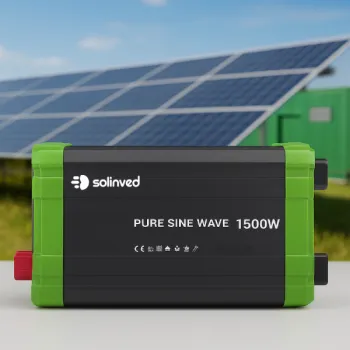
Akıllı İnverter Entegrasyonu : Solinved’in MPPT destekli akıllı inverterleri, iki yönlü üretimi optimize eder.
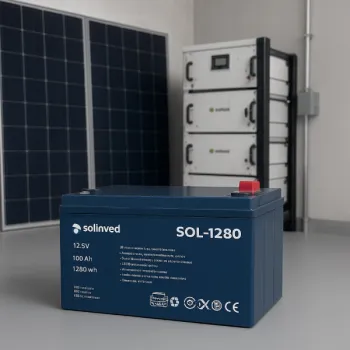
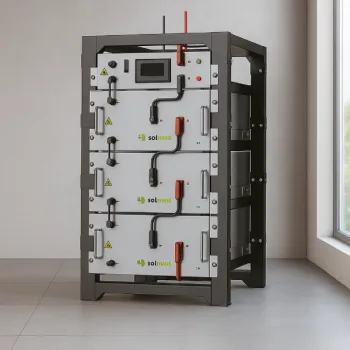
Enerji Depolama Sistemleri ile Entegrasyon : Fazla üretilen enerji Solinved lityum bataryalarda depolanabilir.
Periyodik Temizlik ve Bakım : Hem ön hem arka yüzeyin temizliği, verimliliği korur.
Solinved ile Çift Yüzlü Enerji Verimliliği
Solinved, güneş enerjisinde yüksek verim, dayanıklılık ve sürdürülebilirlik prensipleriyle hareket eder.
Bifacial panel çözümleriyle yalnızca daha fazla enerji üretmekle kalmaz, aynı zamanda uzun vadeli yatırım avantajı sağlar.
Solinved’in entegre sistem yaklaşımı sayesinde:
- Paneller (Bifacial + TopCon)
- Akıllı İnverterler (MPPT destekli)
- Lityum Batarya Sistemleri
- Solar Sürücüler ve Şarj İstasyonları
tam uyum içinde çalışır.
Sonuç:
- Daha fazla enerji,
- Daha düşük maliyet,
- Daha uzun ömürlü sistemler.
SSS (Sık Sorulan Sorular)
1. Bifacial güneş panelleri tek yüzlü panellere göre ne kadar verimlidir?
Doğru montaj ve uygun zemin seçimiyle %15–30 daha fazla enerji üretir.
2. Bifacial paneller her bölgeye uygun mu?
Evet, ancak yansıtıcı zeminli bölgelerde (kar, açık renkli toprak, beton) daha yüksek verim elde edilir.
3. Solinved bifacial panellerin ömrü ne kadardır?
Ortalama 30 yıl performans garantisine sahiptir.
4. Arka yüzeyin kirlenmesi verimi etkiler mi?
Evet, düzenli temizlik ve bakım verimliliği korur.
5. Bifacial panellerle enerji depolama yapılabilir mi?
Evet, Solinved lityum batarya sistemleriyle entegre edilerek fazla enerji depolanabilir.