
Güneş Enerjisi Nedir?

Dünyanın hızla artan enerji ihtiyacı, fosil yakıt kaynaklarının sınırlı olması ve çevresel sorunların büyümesiyle birlikte, yenilenebilir enerji kaynaklarına olan ilgi her geçen gün artmaktadır. Bu kaynaklar arasında en temiz, en ulaşılabilir ve en sürdürülebilir olanı güneş enerjisidir.
Güneş enerjisi, güneşten yayılan ışıma enerjisinin elektrik veya ısı enerjisine dönüştürülmesiyle elde edilir. Doğal, tükenmeyen ve çevreye zarar vermeyen bu enerji türü, günümüzde hem bireysel hem de endüstriyel ölçekte en yaygın kullanılan yenilenebilir enerji kaynaklarından biri haline gelmiştir.
Solinved, güneş enerjisini daha verimli, daha erişilebilir ve akıllı hale getiren çözümleriyle sürdürülebilir bir enerji geleceğinin öncülerindendir.
Güneş Enerjisi Nasıl Elde Edilir?
Güneş enerjisinden elektrik üretimi, fotovoltaik (PV) sistemler aracılığıyla gerçekleştirilir. Güneş panelleri, üzerlerindeki yarı iletken hücreler sayesinde güneş ışığını doğrudan elektrik enerjisine dönüştürür.
Bu süreç şu şekilde işler:
Güneş Panelleri: Güneşten gelen ışık fotovoltaik hücrelere ulaşır.
Elektrik Üretimi: Hücrelerdeki yarı iletken malzeme (genellikle silikon) fotonları emer ve doğru akım (DC) oluşturur.
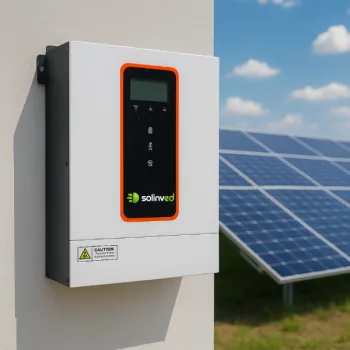
İnverter: Üretilen DC enerji, inverter aracılığıyla alternatif akıma (AC) dönüştürülür. Bu sayede enerji, evlerde ve işletmelerde kullanılabilir hale gelir.
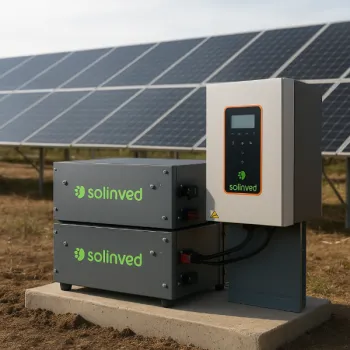
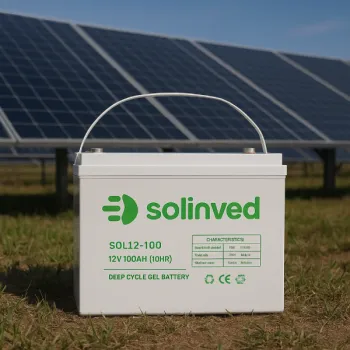
Enerji Depolama: Fazla üretilen enerji Solinved lityum bataryalarda depolanır ve güneşin olmadığı saatlerde kullanılabilir.
Bu sistemin en önemli avantajı, sessiz, temiz ve sürdürülebilir bir enerji üretimi sağlamasıdır.
Güneş Enerjisinin Türleri
Güneş enerjisi yalnızca elektrik üretiminde değil, farklı kullanım alanlarında da değerlendirilebilir. Temelde iki ana türü bulunur:
1. Fotovoltaik (PV) Sistemler
Bu sistemlerde güneş ışığı doğrudan elektrik enerjisine dönüştürülür.
Solinved’in ürettiği yüksek verimli güneş panelleri ve akıllı inverter sistemleri sayesinde PV teknolojileri daha verimli ve uzun ömürlü hale getirilmiştir.
Kullanım alanları:
Ev tipi çatı sistemleri
Ticari ve endüstriyel tesisler
Tarımsal sulama sistemleri
Elektrikli araç şarj istasyonları
2. Termal (Isıl) Sistemler
Bu sistemlerde güneş ışığı ısı enerjisine dönüştürülür. Güneş kolektörleri, su veya hava ısıtarak sıcak su, ısıtma veya endüstriyel kullanım için enerji sağlar.
Güneş Enerjisinin Avantajları
1. Yenilenebilir ve Sınırsız Kaynak : Güneş enerjisi, doğanın sürekli sunduğu bir kaynaktır. Fosil yakıtlar gibi tükenmez ve her bölgede ulaşılabilir durumdadır.
2. Çevre Dostu ve Karbonsuz Enerji : Güneş enerjisi üretimi sırasında karbondioksit salınımı gerçekleşmez. Bu nedenle çevreye zarar vermez ve iklim değişikliğiyle mücadelede önemli bir rol oynar.
3. Düşük İşletme Maliyeti : Kurulum sonrasında bakım ve işletme maliyeti oldukça düşüktür. Paneller uzun ömürlüdür ve düzenli temizlik dışında büyük bakım gerektirmez.
4. Enerji Bağımsızlığı Sağlar : Kullanıcılar kendi enerjilerini üreterek şebeke elektriğine bağımlılıklarını azaltır. Solinved’in akıllı inverter ve batarya sistemleri sayesinde enerji depolamak da mümkündür.
5. Uzun Ömür ve Yüksek Dayanıklılık : Solinved güneş panelleri 25 yılın üzerinde performans garantisine sahiptir. Yüksek sıcaklık, kar, yağmur ve rüzgâr gibi zorlu koşullarda bile güvenle çalışır.
6. Yatırım Geri Dönüş Süresi Kısadır : Güneş enerjisi sistemleri birkaç yıl içinde yatırım maliyetini karşılar ve sonrasında yıllarca ücretsiz enerji üretimi sağlar.
Güneş Enerjisi Sistemlerinin Bileşenleri
Bir güneş enerjisi sistemi, birbirine entegre çalışan birkaç temel bileşenden oluşur. Solinved, bu bileşenlerin tamamını yerli üretim gücüyle tek çatı altında sunar.
Güneş Panelleri: Güneş ışığını elektriğe dönüştüren ana bileşendir. Solinved’in bifacial (çift yüzlü) panel teknolojisi, hem ön hem arka yüzeyden enerji üretimi sağlayarak verimliliği artırır.
İnverter (Çevirici): DC akımı AC’ye çevirir. Solinved akıllı inverterleri, enerji dönüşümünü optimize eder ve sistemi yönetir.
Solar Batarya: Fazla üretilen enerjiyi depolayarak gece veya bulutlu havalarda kullanılmasını sağlar. Solinved lityum bataryalar, uzun ömürlü ve yüksek verimlidir.
Montaj ve Kablo Sistemleri: Panellerin doğru açıyla kurulmasını ve enerji aktarımını sağlar.
Şarj Kontrol Cihazı: Bataryanın doğru şekilde şarj edilmesini ve korunmasını sağlar.
Bu bileşenlerin tümü birlikte çalışarak kesintisiz, verimli ve güvenli bir enerji sistemi oluşturur.
Solinved Güneş Enerjisi Sistemleri
Solinved, güneş enerjisi sistemlerinde yüksek mühendislik, dayanıklılık ve entegrasyon ilkelerini benimser.
Solinved çözümlerinin fark yarattığı noktalar:
Yerli Üretim: Türkiye’de üretilen paneller, inverterler ve bataryalar sayesinde hızlı servis ve yedek parça desteği.
Akıllı Enerji Yönetimi: İnverter ve batarya sistemleri, üretimi ve tüketimi dengeleyerek maksimum verim sağlar.
Yüksek Verimlilik: Gelişmiş hücre teknolojileriyle %21’in üzerinde panel verimliliği.
Uzun Ömür ve Güvenlik: Termal koruma, kısa devre ve aşırı yük koruma sistemleriyle maksimum güvenlik.
Tam Entegrasyon: Güneş paneli, inverter, solar sürücü ve depolama sistemleri birbiriyle uyumlu şekilde çalışır.
Solinved’in geliştirdiği sistemler, sadece enerji üretmekle kalmaz, aynı zamanda akıllı enerji yönetimiyle kullanıcıya kontrol ve tasarruf sağlar.
Güneş Enerjisinin Geleceği
Güneş enerjisi, geleceğin enerji stratejisinin merkezinde yer almaktadır. Enerji depolama teknolojilerinin gelişmesi, güneş enerjisini artık yalnızca gündüz değil, 24 saat kullanılabilir hale getirmektedir.
Solinved, bu dönüşümün öncüsü olarak enerji depolama sistemleri, akıllı inverter teknolojileri ve verimliliği artıran panel çözümleriyle geleceğe yön vermektedir.
Yenilenebilir enerjinin artık bir alternatif değil, zorunluluk olduğu bir çağda Solinved, hem bireysel kullanıcılar hem de sanayi tesisleri için yüksek performanslı, çevre dostu ve sürdürülebilir enerji çözümleri geliştirmeye devam etmektedir.
SSS (Sık Sorulan Sorular)
1. Güneş enerjisi bulutlu havalarda çalışır mı?
Evet. Güneş panelleri direkt ışığa ihtiyaç duysa da, bulutlu günlerde de dolaylı ışıkla enerji üretmeye devam eder.
2. Güneş enerjisi sistemlerinin bakımı zor mu?
Hayır. Sadece periyodik temizlik ve sistem kontrolü yeterlidir. Solinved sistemleri düşük bakım ihtiyacıyla öne çıkar.
3. Fazla üretilen enerji ne olur?
On-grid sistemlerde şebekeye geri satılabilir, hibrit sistemlerde Solinved bataryalarda depolanabilir.
4. Güneş panellerinin ömrü ne kadardır?
Solinved panelleri 25–30 yıl arası performans garantisine sahiptir.
5. Güneş enerjisi ile elektrikli araç şarjı yapılabilir mi?
Evet. Solinved Charge sistemiyle güneş enerjisi kaynaklı elektrik, EV şarj istasyonlarında kullanılabilir.