
İnverterlere Neden İhtiyaç Duyulur?
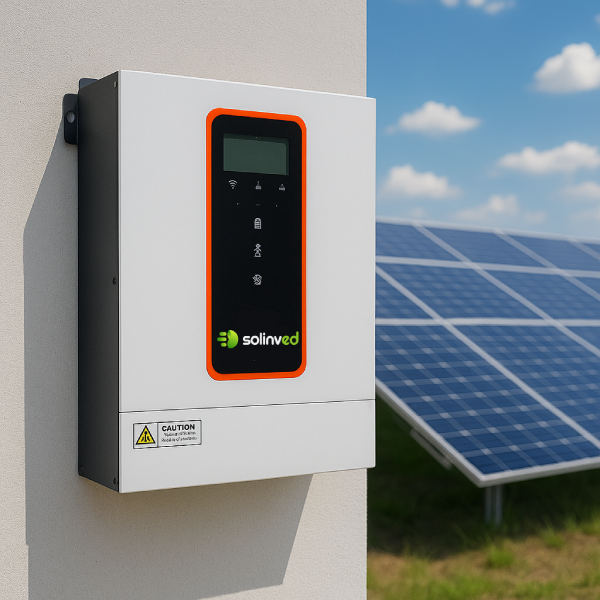
Güneş enerjisi sistemleri, sürdürülebilir enerji üretiminin en önemli yapı taşlarından biridir. Ancak güneş panelleri tek başına, evlerde veya işletmelerde kullanılabilecek elektrik üretmez. Çünkü paneller doğru akım (DC) üretir, oysa günlük yaşamda kullandığımız tüm elektrikli cihazlar alternatif akım (AC) ile çalışır.
Bu dönüşümü sağlayan kritik bileşen ise inverterdir. Yani inverter, sadece bir dönüştürücü değil; aynı zamanda enerjinin kalbidir.
Solinved, güneş enerjisi sistemlerinde maksimum verimliliği hedefleyen akıllı inverter teknolojileri ile hem enerji dönüşümünü hem de enerji yönetimini kusursuz hale getirir.
Bu yazıda, inverterlere neden ihtiyaç duyulduğunu, nasıl çalıştıklarını ve Solinved’in inverter teknolojilerinin farkını tüm detaylarıyla inceleyeceğiz.
İnverter Nedir?
İnverter (çevirici), güneş panellerinden elde edilen DC (doğru akım) elektriği, şebekede kullanılan AC (alternatif akım) elektriğe çeviren cihazdır.
Basit bir ifadeyle inverter, güneş panellerinden gelen elektriği evinizdeki buzdolabı, televizyon, klima veya endüstriyel motorlar gibi cihazların kullanabileceği hale getirir.
Ancak modern inverterler yalnızca enerji dönüşümü yapmaz.
Solinved’in akıllı inverterleri:
Enerji üretimini optimize eder,
Verimlilik analizleri yapar,
Aşırı yük, gerilim veya sıcaklık koruması sağlar,
Uzaktan izleme ve yönetim imkânı sunar.
İnverterlere Neden İhtiyaç Duyulur?
1. DC’yi AC’ye Dönüştürmek İçin
Güneş panelleri, güneş ışığını elektrik enerjisine dönüştürürken doğru akım (DC) üretir. Evlerde ve işletmelerde kullanılan elektrikli cihazlar ise alternatif akım (AC) ile çalışır.
İşte inverterler bu iki akım türü arasındaki farkı ortadan kaldırır.
DC akımı AC’ye çevirerek, güneş enerjisinin günlük hayatta kullanılmasını sağlar.
Solinved inverterleri, bu dönüşümü minimum kayıpla gerçekleştirerek maksimum verimlilik sağlar (%98’e kadar).
2. Enerji Üretimini Optimize Etmek İçin
Her güneş paneli, güneş ışığı, sıcaklık ve gölgeleme koşullarına bağlı olarak farklı miktarda enerji üretir. Bu değişkenlik, sistem verimliliğini düşürebilir.
İnverterler, MPPT (Maximum Power Point Tracking) teknolojisi sayesinde her panelin maksimum güç noktasını tespit eder. Bu sayede, panellerin verimi sürekli olarak optimize edilir.
Sonuç: Aynı panel alanından %20’ye kadar daha fazla enerji elde edilir.
3. Enerji Akışını Yönetmek İçin
Modern inverterler yalnızca enerji dönüştürmez; aynı zamanda sistemdeki enerjinin nasıl kullanılacağını da yönetir. Solinved akıllı inverterleri, üretilen enerjiyi üç farklı yöne dağıtabilir:
Anlık enerji tüketimi,
Bataryaya depolama,
Şebekeye enerji aktarımı.
Bu şekilde inverter, akıllı enerji yönetimi merkezi haline gelir.
4. Şebeke İle Uyumu Sağlamak İçin
Güneş enerjisi sistemlerinin şehir şebekesiyle sorunsuz çalışabilmesi için, sistemin frekans, voltaj ve faz değerlerinin şebekeyle aynı olması gerekir.
İşte bu senkronizasyonu sağlayan cihaz inverterdir. On-grid (şebeke bağlantılı) inverterler, şebekeye fazla enerjiyi aktarırken aynı zamanda sistemin güvenliğini de korur.
5. Enerji Depolama Sistemleri ile Entegrasyon İçin
Enerjinin yalnızca üretilmesi değil, gerektiğinde depolanması da önemlidir. Solinved hibrit inverterleri, lityum batarya sistemleriyle tam uyumlu çalışarak fazla enerjiyi depolar.
Gündüz üretilen enerji depolanır, akşam veya güneşin olmadığı günlerde kullanılır. Bu sayede kullanıcı şebekeden bağımsız (off-grid) enerjiye sahip olur.
6. Güvenli ve Stabil Enerji Sağlamak İçin
Enerji dalgalanmaları, aşırı yüklenme veya gerilim artışı, sistem bileşenlerine zarar verebilir. İnverter, bu durumlarda akımı düzenler ve güvenli seviyede tutar.
Solinved inverterleri,
Aşırı ısınma koruması,
Kısa devre koruması,
Gerilim dengesizliği koruması,
gibi güvenlik özellikleriyle uzun ömürlü ve kararlı enerji akışı sağlar.
Solinved İnverter Türleri ve Kullanım Alanları
Solinved, farklı ölçeklerdeki güneş enerji sistemlerine özel inverter çözümleri sunar:
| İnverter Türü | Açıklama | Kullanım Alanı |
|---|---|---|
| On-Grid İnverter | Şebekeye bağlı sistemlerde fazla enerjiyi satabilir. | Ev, ofis, ticari tesisler |
| Off-Grid İnverter | Şebekeden bağımsız sistemlerde batarya ile çalışır. | Tarım, kırsal alanlar, sulama sistemleri |
| Hibrit (Akıllı) İnverter | Hem şebekeye bağlı hem batarya destekli çalışabilir. | Ev ve sanayi sistemleri, EV şarj istasyonları |
| Solar Sürücü Entegre İnverter | Tarımsal sulama pompalarıyla entegre çalışır. | Tarımsal enerji yönetimi |
Tüm Solinved inverterleri, MPPT teknolojisi, uzaktan izleme, yüksek verimlilik ve güvenlik standartlarıyla donatılmıştır.
Solinved İnverter Teknolojisinin Farkı
Yüksek Dönüşüm Verimliliği : %98’e varan enerji dönüşüm oranı ile daha fazla üretim, daha az kayıp.
Lityum Batarya Entegrasyonu : Solinved lityum bataryalar ile tam uyumlu çalışır.
Uzaktan İzleme ve Akıllı Yönetim : Kullanıcılar, sistem performansını mobil veya web uygulaması üzerinden anlık izleyebilir.
Üst Düzey Güvenlik : Tüm modeller, aşırı gerilim, sıcaklık ve kısa devre korumasına sahiptir.
Akıllı MPPT Teknolojisi : Her panel dizisi için ayrı güç noktası takibi yaparak maksimum üretim sağlar.
İnverter Olmadan Güneş Enerjisi Sistemi Ne Olur?
Eğer güneş enerjisi sistemi inverter olmadan kurulursa:
Paneller DC akım üretir, ancak ev cihazları bu elektriği kullanamaz.
Enerji doğrudan şebekeye aktarılamaz.
Batarya ve enerji yönetimi mümkün olmaz.
Sistem verimliliği ciddi oranda düşer.
Kısacası, inverter olmadan bir güneş enerji sistemi eksik bir kalpten ibarettir.
Solinved ile Akıllı Enerji Yönetimi
Solinved inverterleri, yalnızca elektrik üretmekle kalmaz; enerjiyi akıllıca yöneten bir yönetim merkezi görevi görür.
Güneş panelleri, bataryalar ve solar sürücülerle entegre çalışarak, kullanıcıya maksimum enerji verimliliği, tam güvenlik ve uzun ömürlü performans sunar.
Solinved’in teknolojik vizyonu:
“Her damla güneş ışığını akıllı enerjiye dönüştürmek.”
SSS (Sık Sorulan Sorular)
1. İnverter olmadan güneş panelleri çalışır mı?
Hayır. Paneller enerji üretse bile, inverter olmadan bu enerji kullanılabilir hale gelmez.
2. İnverterin ömrü ne kadardır?
Kaliteli inverterler 10–15 yıl arasında verimli çalışır. Solinved modelleri bu aralığın üst sınırında yer alır.
3. MPPT inverter nedir?
MPPT, panellerin maksimum güç noktasını takip eden teknolojidir. En yüksek enerji üretimini sağlar.
4. İnverter bakım gerektirir mi?
Periyodik kontrol ve yazılım güncellemeleri dışında ciddi bakım gerekmez.
5. Solinved inverterleri diğer markalarla uyumlu mu?
Evet, Solinved inverterler farklı marka paneller ve bataryalarla entegre çalışabilir.