
Hangi Solar İnverter Çeşidi En İyisidir?
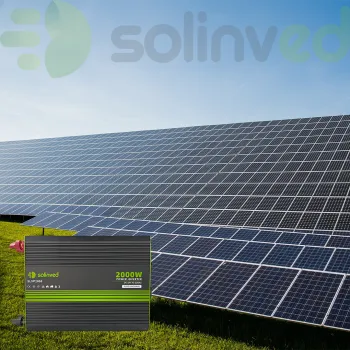
Güneş enerjisi sistemlerinin en kritik bileşenlerinden biri solar inverterlerdir. İnverterler, güneş panellerinden elde edilen DC (doğru akım) enerjiyi AC (alternatif akım) enerjisine çevirerek evlerde, iş yerlerinde veya tarımsal sulama sistemlerinde kullanılabilir hale getirir. Ancak inverter seçimi, sistem verimliliğini ve enerji maliyetlerini doğrudan etkiler.
Bu yazıda, farklı solar inverter çeşitlerini, avantajlarını ve hangi durumda hangi inverterin tercih edilmesi gerektiğini Solinved çözümleri ile detaylı şekilde inceleyeceğiz.
Solar İnverter Çeşitleri
Solar inverterler genel olarak üç ana kategoriye ayrılır:
1. Standart (String) İnverterler
Tanım: Güneş panellerinden gelen enerjiyi bir grup (string) halinde alır ve AC’ye dönüştürür.
Avantajları:
Kurulumu kolaydır
Maliyet açısından daha ekonomiktir
Küçük ve orta ölçekli sistemler için uygundur
Dezavantajları:
Panellerden biri gölgelenirse tüm string’in verimliliği düşer
Sistem ölçeği büyüdükçe performans optimizasyonu zorlaşır
2. Mikro İnverterler
Tanım: Her güneş paneli için ayrı bir inverter kullanılır. Panel başına enerji dönüşümü yapılır.
Avantajları:
Gölgeleme ve panel performans sorunlarına karşı dayanıklıdır
Enerji üretimi paneller bazında izlenebilir
Sistemdeki herhangi bir panel arızası tüm sistemi etkilemez
Dezavantajları:
Maliyetleri string inverterlere göre daha yüksektir
Kurulum ve bakım süreci daha karmaşıktır
3. Akıllı İnverterler / Hibrit İnverterler
Tanım: AC ve DC enerjiyi yönetebilen, enerji depolama sistemleri ve bataryalarla entegre çalışabilen inverterlerdir.
Avantajları:
Güneş enerjisi ile batarya depolamasını optimize eder
Enerji verimliliğini maksimize eder
Uzaktan izleme ve kontrol özellikleri sunar
Tarımsal sulama, EV şarj ve endüstriyel sistemler gibi farklı kullanım alanlarına uyumludur
Dezavantajları:
Maliyetleri standart string inverterlere göre daha yüksektir
Kurulum süresi biraz daha uzun olabilir
Hangi Solar İnverter Çeşidi En İyisidir?
Solar inverter seçimi, kullanım alanına ve enerji ihtiyacına göre değişir:
Ev Tipi Sistemler:
Küçük ölçekli ev sistemlerinde standart inverterler uygun maliyetli ve yeterlidir.
Gölge veya Karmaşık Alanlar:
Çatı veya arazide panellerin gölgelenme riski yüksekse, mikro inverterler daha verimli olur.
Enerji Depolama ve Akıllı Yönetim İhtiyacı:
Batarya depolama, tarımsal sulama veya elektrikli araç şarjı entegrasyonu gerekiyorsa, akıllı/hibrit inverterler en uygun seçenektir.
Solinved akıllı inverterleri, hem AC hem DC sistemlerde, batarya ile entegre çalışabilir ve uzaktan izleme imkanı sunarak maksimum verim ve kontrol sağlar.
Solar İnverter Seçiminde Dikkat Edilmesi Gerekenler
Sistem Kapasitesi: İnverterin gücü, güneş panellerinin toplam kapasitesine uygun olmalıdır.
Verimlilik: Yüksek verimli inverterler, enerji kaybını minimuma indirir.
Dayanıklılık: Sıcaklık, nem ve gölgeleme gibi dış etkenlere dayanıklı inverterler tercih edilmelidir.
Enerji Depolama Uyumu: Lityum batarya veya diğer enerji depolama sistemleri ile uyumlu inverterler, kesintisiz enerji sağlar.
Uzaktan İzleme ve Kontrol: Akıllı inverterler, sistem performansını gerçek zamanlı izleme ve enerji yönetimi imkanı sunar.
Solinved Solar İnverterlerinin Avantajları
Yüksek Verimlilik: MPPT teknolojisi ile panel verimliliğini optimize eder.
Uzaktan İzleme: Mobil uygulama ve web arayüzü ile enerji üretimi takip edilebilir.
Enerji Depolama Entegrasyonu: Batarya ve güneş sistemi ile sorunsuz entegrasyon.
Uzun Ömür ve Dayanıklılık: Zorlu iklim koşullarına dayanıklı tasarım.
Kullanıcı Dostu Kurulum: Hızlı montaj ve minimum bakım gereksinimi.
SSS (Sık Sorulan Sorular)
1. Hangi inverter türü en iyisidir?
Kullanım alanına göre değişir; ev tipi sistemlerde string, gölge alanlarda mikro, enerji depolama veya akıllı yönetim için hibrit/akıllı inverterler en uygunudur.
2. Solinved inverterler hangi sistemlerle uyumludur?
Konut, ticari, endüstriyel ve bazı tarımsal uygulamalarla tam uyumludur.
3. Akıllı inverterler enerji verimliliğini artırır mı?
Evet, MPPT ve akıllı kontrol özellikleri ile maksimum enerji üretimi sağlar.
4. Bakım gerektirir mi?
Solinved inverterler minimal bakım gerektirir; periyodik temizlik ve bağlantı kontrolleri yeterlidir.
5. Uzaktan izleme mümkün mü?
Evet, akıllı modeller mobil ve web arayüzü üzerinden izlenebilir.