
On-Grid Inverter Installation
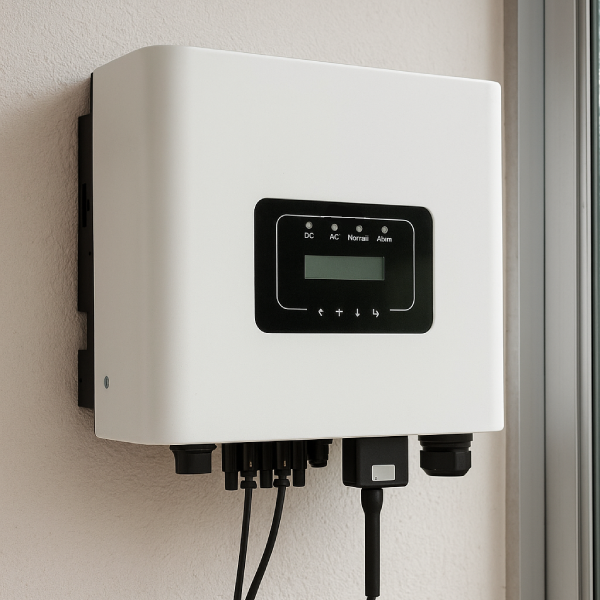
One of the most important components for ensuring safe, efficient, and sustainable electricity production in solar energy systems is the inverter (converter). These devices convert the direct current (DC) electricity obtained from solar panels into the alternating current (AC) used in homes and businesses.
On-grid inverters, in addition to this conversion, manage the produced energy in an integrated manner with the city grid. In grid-connected systems, the installation of the inverter is critically important for energy efficiency, safety, and longevity.
In this article, we will examine in detail the operating principle of on-grid inverter systems, the installation steps, Solinved's engineering expertise, and why correct installation matters so much.
What Is an On-Grid Inverter?
An on-grid inverter is the inverter type that enables grid-connected operation in solar energy systems.
These inverters convert the electricity from solar panels into AC and feed it into the grid.
The primary purpose of this system is to first use the energy produced from the sun for self-consumption and then to sell any surplus energy back to the grid.
Solinved on-grid inverters stand out with their high conversion efficiency, advanced safety features, and remote monitoring technology.
Operating Principle of the On-Grid Inverter
Energy flow in on-grid systems works as follows:
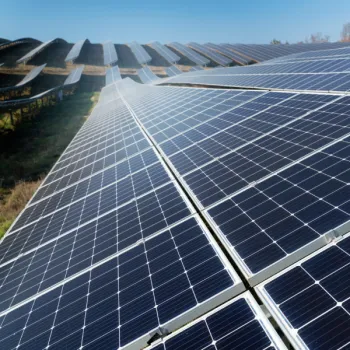
Solar Panels: Convert sunlight into electrical energy (DC).
Inverter: Converts DC energy into AC.
Distribution Panel: The converted energy is first used to meet the building's internal needs.
Grid Integration: Unused surplus energy is fed into the city grid.
Energy Monitoring: Production and consumption data are tracked in real time via the Solinved remote monitoring system.
Thanks to this setup, the user both generates their own energy and achieves financial gains from surplus energy.
Before On-Grid Inverter Installation
There are technical and administrative steps to be taken before an on-grid system is installed. Solinved plans all of these pre-installation processes with its professional engineering team.
1. Site Survey and Solar Irradiation Analysis
Before installation, the placement, tilt angle, and orientation of the panels are analyzed. The annual sunlight hours for the region are calculated.
2. Determining System Capacity
Panel power and inverter capacity are determined according to the user's energy needs. At this stage, the inverter's nominal power is selected proportionally to the panel output power.
3. Legal Permits and Grid Approval
In grid-connected systems, approval from distribution companies is required. The Solinved technical team manages this process on behalf of the user.
4. Equipment Selection
Solar panels
Inverter
DC cables and connectors
AC connection components
Protection panels and fuse systems
All of this equipment must comply with Solinved standards to ensure the system's safety and longevity.
Steps of On-Grid Inverter Installation
1. Making DC Connections
Solar panels are connected in series or parallel and linked to the inverter's input via DC cables.
Polarity must be observed when making this connection. An incorrect connection can damage the inverter.
The MC4 connector inputs on Solinved inverters enable fast and secure connections.
2. AC Output Connection
The AC output of the inverter is connected to the building's distribution panel.
Thanks to this connection, the generated energy is transferred to in-building systems.
Correct wiring of phase and neutral lines is important.
3. Grounding System
Grounding both the inverter and the solar panels is mandatory for electrical safety.
The grounding line protects the system in situations such as leakage current or lightning strikes.
4. Installation of Protection and Safety Equipment
Protection relays and fuses are added against the risks of overvoltage, short circuit, or reverse current.
AC and DC protection panels are used as standard in Solinved systems.
5. Configuring Inverter Settings
After installation, the inverter is configured according to the system parameters.
These settings include:
Grid frequency (50 Hz)
Nominal voltage value (230V/400V)
Power limiting settings
MPPT (Maximum Power Point Tracking) optimization
Solinved smart inverters automatically optimize these settings, reducing installation time.
6. Activating the Remote Monitoring System
Solinved inverters can be connected to the remote monitoring system via Wi-Fi or Ethernet.
Users can monitor real-time production data, energy consumption, and system status via a mobile app.
7. Testing and Commissioning
After all connections are complete, the system is tested.
DC and AC voltage measurements are taken and the inverter is commissioned.
Once production begins, production values are checked on the inverter display or software panel.
Points to Note During On-Grid Inverter Installation
Mount the inverter in a location not directly exposed to sunlight or moisture.
Keep the cable distance between panels and inverter as short as possible.
The cross-section of DC cables must be selected based on the current value.
There must be sufficient air circulation around the inverter to prevent overheating.
Grid connection must only be made under the supervision of an authorized electrical engineer.
The Solinved technical team supports the user at every stage of this process and ensures the system is commissioned as safely as possible.
Key Features of Solinved On-Grid Inverters
High Efficiency (up to 98%): Maximum energy conversion with MPPT technology.
Wide Power Range: Different power ranges from residential systems to industrial facilities.
Remote Monitoring Support: Mobile and web-based tracking system.
Strong Protection Features: Overvoltage, short circuit, and temperature protection.
Low Maintenance Requirement: Silent operation, dust- and moisture-protected design.
Domestic Production and Technical Support: Solinved inverters manufactured in Turkey provide confidence with fast service and warranty support.
Advantages of On-Grid Systems
Full Grid Integration: Produced energy can be used directly; surplus energy can be sold to the grid.
Short Investment Payback Period: Electricity costs are reduced by generated energy and the system pays for itself within a few years.
Easy Maintenance: Contains fewer components compared to hybrid or off-grid systems, which reduces maintenance needs.
Efficiency: Solinved inverters operate stably even at high temperatures, delivering maximum performance.
Long-Lasting Solution: With quality inverter and panel systems, system lifespan exceeds 20 years.
Safe and Efficient Installation with Solinved
Solinved is not just a manufacturer of inverter technology — it is also a solution provider.
It guides users at every stage, from installation and commissioning to remote monitoring integration and after-sales technical support.
The Solinved engineering team determines the appropriate inverter capacity for each project, conducts grid compliance tests, and ensures the system operates at peak efficiency.
As a result, users enjoy a high-efficiency, low-failure-rate energy system for many years to come.
FAQ (Frequently Asked Questions)
1. What is an on-grid inverter and how does it work?
It converts DC electricity produced by solar energy into AC and operates in an integrated manner with the city grid.
2. Is a battery required in on-grid systems?
No. Since these systems operate integrated with the grid, a battery is not mandatory. However, battery integration is possible with hybrid inverters.
3. How long does installation take?
For residential systems, it is typically completed within 1–2 days. For larger systems, this may extend to several days.
4. In what power ranges are Solinved inverters produced?
Solinved has a wide product range from 3 kW residential models to 100 kW industrial inverters.
5. Do on-grid systems work during a power outage?
For safety reasons, the system automatically shuts down when the city grid fails. However, in hybrid systems this situation can be overcome with battery support.