

Solar İnverterler Güneş Enerjisi Sistemlerinin Verimliliğini Nasıl Arttırır?
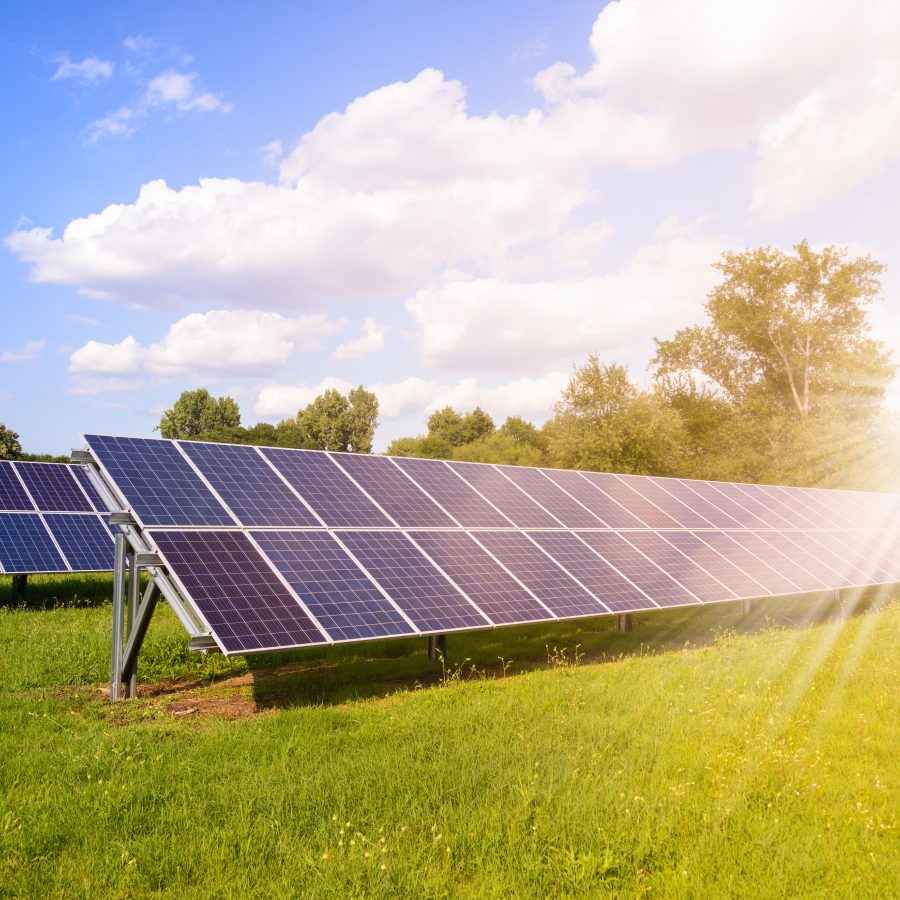
Güneş enerjisi sistemlerinin başarısı, yalnızca güneş panellerinin kalitesiyle değil, aynı zamanda sistemin kalbi olan solar inverterlerin performansıyla da doğrudan ilişkilidir. Solar inverterler, doğru akımı (DC) alternatif akıma (AC) çevirmenin ötesinde, enerji yönetimi ve sistem verimliliği üzerinde belirleyici bir rol oynar. Bu nedenle, bir güneş enerjisi sisteminde verimlilik artırma stratejilerinin merkezinde inverterler yer alır.
Bu yazıda, solar inverterlerin bir güneş enerjisi sisteminin genel verimliliğini nasıl artırdığı, kullanılan teknolojilerle birlikte sistem performansına etkileri detaylı şekilde ele alınacaktır.
1. İnverterin Sistem Verimliliğine Katkısı
Solar inverterler, güneş panellerinden gelen doğru akımı evlerde ve işletmelerde kullanılan alternatif akıma çevirerek sistemin temel işlevini yerine getirir. Ancak bu dönüşüm işlemi sırasında enerji kayıplarının minimize edilmesi, inverterin kalitesi ve teknolojisiyle doğrudan ilişkilidir.
Yüksek verimli inverterler sadece dönüştürme işlemini daha az kayıpla yapmaz, aynı zamanda sistem bileşenleri arasındaki enerji uyumunu optimize ederek genel üretimi artırır. Bu inverterler, yük yönetimini daha iyi yaparak sistem performansında kararlılığı artırır. Ayrıca akıllı enerji yönlendirme, aşırı yük koruması ve sistem izleme özellikleri ile verimsizlik risklerini azaltır. Bu nedenle inverter, sistemin yalnızca bir parçası değil, performansın belirleyici merkezidir.
2. MPPT Teknolojisi ile Maksimum Güç Takibi
Güneş panelleri, güneş ışığının açısı, sıcaklık ve diğer çevresel faktörlere bağlı olarak gün içinde değişken enerji üretir. MPPT (Maksimum Güç Noktası Takibi) teknolojisine sahip inverterler, her an bu koşulları analiz ederek panellerin üretebileceği en yüksek gücü yakalamaya çalışır.
Bu teknoloji, inverterin panel gerilim ve akım değerlerini anlık olarak izleyip, panelleri en verimli çalışma noktasında tutmasını sağlar. Böylece özellikle sabah, akşam veya bulutlu havalarda oluşabilecek üretim kayıpları en aza indirilir. MPPT sistemi, inverterin sürekli olarak voltaj ve akımı optimize etmesi sayesinde güneşten gelen enerjiyi en verimli şekilde kullanır. Bu, güneş enerjisi sistemlerinde enerji kaybını minimize ederken, toplam üretimi %10-30 oranında artırabilir.
3. Gölgelenme ve Çoklu MPPT Girişi Avantajı
Güneş panelleri farklı yönlere bakan çatılara kurulduğunda veya çevredeki nesneler nedeniyle gölgelenmeye maruz kaldığında, enerji üretiminde ciddi düşüşler yaşanabilir. Bu gibi durumlar sistemin tamamını olumsuz etkileyebilir.
Gelişmiş inverterlerde bulunan çoklu MPPT (Multiple Maximum Power Point Tracking) girişleri, panel gruplarının ayrı ayrı izlenip kontrol edilmesine olanak tanır. Her MPPT girişi, bağlı olduğu panel grubunun kendi maksimum güç noktasında çalışmasını sağlar. Bu sayede, gölgelenme yalnızca ilgili grubu etkilerken, diğer paneller tam kapasiteyle üretime devam eder. Özellikle farklı yönlere bakan çatılarda, bu özellik sistemin toplam verimliliğini koruma açısından büyük önem taşır.
4. Isıl Yönetim ve Kararlı Çalışma
İnverterler elektriksel dönüşüm sırasında ısı üretir. Aşırı ısınan bir inverter, otomatik koruma mekanizmalarıyla kapanabilir veya performans düşüklüğü yaşanabilir. Bu da enerji üretiminde süreksizliklere ve verim kayıplarına neden olur.
İyi tasarlanmış soğutma sistemleri (doğal hava sirkülasyonu, fanlı soğutma veya alüminyum soğutucular) sayesinde inverterler sabit bir sıcaklıkta çalışır. Ayrıca sıcaklık sensörleri yardımıyla sistem sıcaklık kontrolünü dinamik olarak yönetebilir. Bu, inverterin uzun ömürlü olmasını sağlarken, gün boyu kararlı ve kesintisiz bir enerji üretimi sunar.
5. Akıllı Şebeke Uyumu ve Enerji Dağılımı
Gelişmiş inverterler, sadece enerji üretmekle kalmaz; aynı zamanda şebeke ile senkronize çalışarak enerjiyi daha verimli yönetir. Bu şebeke uyumu sayesinde inverter, sistemin enerji üretimini tüketim ihtiyaçlarıyla dengeleyebilir.
Şebekenin ihtiyacına göre enerji akışı yönlendirilir, fazladan üretilen enerji gerektiğinde şebekeye aktarılır veya akülerde depolanabilir. Ayrıca inverterler, voltaj ve frekans kontrolü gibi özellikleriyle sistemin şebekeye zarar vermeden çalışmasını sağlar. Bu uyum, hem sistemin güvenliğini artırır hem de daha stabil bir enerji üretimi sağlar. Aynı zamanda inverterler, reaktif güç kontrolü yaparak şebeke gerilimini düzenleyebilir ve sistemin şebeke dostu olmasını sağlar.
6. Anlık İzleme ve Uzaktan Yönetim
Modern solar inverterler, entegre izleme sistemleri sayesinde kullanıcıya gerçek zamanlı veriler sunar. Bu sistemler, kullanıcıların mobil uygulamalar veya web arayüzleri üzerinden enerji üretimi, tüketimi, sistem durumu ve hata raporlarına ulaşmasını sağlar.
Bu sayede hem teknik ekipler hem kullanıcılar olası verim kayıplarına erken müdahale edebilir. İzleme sistemleri aynı zamanda geçmişe dönük analiz imkanı sunarak sistemin genel performansını iyileştirme fırsatları yaratır. Verimlilik takibi ile potansiyel bakım ihtiyaçları önceden tespit edilebilir ve sistemin uzun ömürlü çalışması desteklenir.
7. Enerji Depolama Entegrasyonu ve Verimlilik
Hibrit inverterler, enerji depolama sistemleriyle entegre çalışarak güneş enerjisinden elde edilen fazla enerjiyi akülerde depolar. Bu enerji, güneşin olmadığı gece saatlerinde ya da elektrik kesintisi sırasında kullanılabilir.
Enerjinin depolanması, sistemin şebekeye bağımlılığını azaltırken enerji tüketimini daha dengeli hale getirir. Özellikle zaman-of-use tarifeleri uygulanan bölgelerde, gün içi düşük maliyetli üretimin gece tüketiminde kullanılmasını sağlar. Bu özellik, enerji verimliliğini gün boyunca süreklilik kazandırarak üst seviyeye çıkarır. Ayrıca inverter, depolanan enerjinin ne zaman ve ne kadar kullanılacağını akıllı şekilde yöneterek sistem optimizasyonuna katkıda bulunur.
Sonuç
Solar inverterler, güneş enerjisi sistemlerinin verimliliğini artırmada kilit rol oynar. MPPT teknolojisi, çoklu giriş yapısı, gelişmiş soğutma sistemleri, akıllı şebeke uyumu ve uzaktan izleme gibi özellikleri sayesinde inverterler, sistemin sadece bir parçası değil, verimlilik yöneticisi konumundadır.
Yüksek verimli bir inverter kullanmak, hem kısa vadede enerji kazancı sağlar hem de uzun vadeli yatırımın geri dönüşünü hızlandırır. Güneş enerjisi sisteminizin performansını en üst seviyeye çıkarmak için doğru inverter teknolojisine yatırım yapmak kritik öneme sahiptir.


