
Yenilenebilir Enerji Nedir?

Günümüzde dünya, fosil yakıtların çevreye olan olumsuz etkileri, iklim değişikliği ve enerji tüketimindeki artış gibi çeşitli sorunlarla karşı karşıya. Bu sorunların çözülmesinde önemli bir yer tutan yenilenebilir enerji, giderek daha fazla tercih edilen bir enerji kaynağıdır. Peki, yenilenebilir enerji nedir, nasıl çalışır ve hangi kaynaklardan elde edilir? Bu yazıda, yenilenebilir enerjinin ne olduğunu, avantajlarını ve farklı türlerini detaylı bir şekilde inceleceğiz.
Yenilenebilir Enerji Nedir?
Yenilenebilir enerji, doğada sürekli olarak yenilenen ve tükenmeyen enerji kaynaklarından elde edilen enerjidir. Fosil yakıtlar gibi sınırlı olmayan, çevreye zarar vermeyen ve doğal yollarla devamlılık sağlayabilen enerji kaynakları olarak tanımlanabilir. Yenilenebilir enerji, güneş, rüzgar, su, biyokütle ve jeotermal gibi doğa olaylarından elde edilir. Bu kaynaklar, sürdürülebilir enerji üretiminin temel taşlarını oluşturur.
Yenilenebilir Enerjinin Avantajları
Yenilenebilir enerji, hem çevreye hem de ekonomi ve toplum sağlığına birçok fayda sağlar. İşte yenilenebilir enerjinin başlıca avantajları:
1. Çevre Dostu ve Sıfır Karbon Emisyonu
Yenilenebilir enerji kaynakları, fosil yakıtların aksine karbondioksit (CO2) ve diğer zararlı gazları salmaz. Bu sayede iklim değişikliği ile mücadeleye katkı sağlar ve hava kirliliğini azaltır.
2. Sınırsız ve Sürekli Enerji Kaynağı
Yenilenebilir enerji kaynakları doğada sürekli olarak varlıklarını sürdürür. Güneş her gün doğar, rüzgar her zaman eser ve suyun akışı devam eder. Bu da yenilenebilir enerjilerin tükenmeyecek kaynaklar olması anlamına gelir.
3. Enerji Bağımsızlığı
Yenilenebilir enerji, yerel kaynaklardan üretildiği için ülkelerin enerji ithalatına olan bağımlılıklarını azaltır. Böylece, dışa bağımlılık ve enerji krizlerinin etkileri minimuma indirilmiş olur.
4. Ekonomik Fırsatlar ve İstihdam Yaratma
Yenilenebilir enerji sektörünün büyümesi, yeni iş alanları ve ekonomik fırsatlar yaratır. Rüzgar türbinleri, güneş panelleri, biyokütle santralleri gibi projeler, birçok farklı alanda istihdam sağlar.
5. Düşük İşletme ve Bakım Maliyetleri
Yenilenebilir enerji sistemleri, kurulum maliyetleri yüksek olsa da, genellikle düşük işletme ve bakım maliyetleri sunar. Güneş panelleri ve rüzgar türbinleri, uzun süre bakım gerektirmeden verimli çalışabilir.
Yenilenebilir Enerji Kaynakları
Yenilenebilir enerji, birkaç ana kaynaktan elde edilir. Her bir kaynağın kendine has özellikleri ve kullanım alanları vardır:
1. Güneş Enerjisi
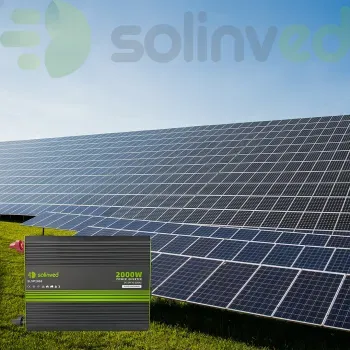
Güneş enerjisi, güneş ışınlarının elektriğe dönüştürülmesiyle elde edilen bir enerji kaynağıdır. Güneş panelleri (fotovoltaik sistemler), güneş ışığını doğrudan elektriğe çevirir. Güneş enerjisi, evlerden büyük sanayilere kadar geniş bir kullanım alanına sahiptir. Türkiye gibi güneş ışığını bolca alan bölgelerde, güneş enerjisi kullanımı oldukça yaygındır.
Avantajları:
Sonsuz bir kaynaktır.
Çevre dostudur.
Düşük işletme maliyetleri vardır.
2. Rüzgar Enerjisi
Rüzgar enerjisi, rüzgarın kinetik enerjisinin türbinler aracılığıyla elektriğe dönüştürülmesidir. Rüzgar türbinleri, özellikle deniz kenarları ve açık alanlarda kurularak büyük miktarda elektrik üretebilir.
Avantajları:
Hızla büyüyen bir sektör.
Elektrik üretimi için yüksek verim sağlar.
Karbon salınımını engeller.
3. Hidroelektrik Enerji
Hidroelektrik enerji, suyun hareketinden elde edilen enerjidir. Barajlar veya nehirlerde kurulan hidroelektrik santraller, suyun yüksek akış hızını kullanarak türbinleri döndürür ve elektrik üretir.
Avantajları:
Sürekli enerji üretimi sağlar.
Yüksek kapasiteye sahip tesislerde büyük miktarlarda enerji üretilebilir.
Geri dönüşümlü bir kaynaktır.
4. Biyokütle Enerjisi
Biyokütle, organik maddelerin (odun, tarım atıkları, hayvansal atıklar vb.) yakılarak veya işlenerek enerjiye dönüştürülmesidir. Biyokütle enerjisi, atıkların çevreye zarar vermeden enerjiye dönüştürülmesini sağlar.
Avantajları:
Atık maddelerden enerji üretimi yapar.
Karbon salınımı, biyokütle maddesinin doğada çözünmesiyle dengelenir.
Yenilenebilir enerji kaynağıdır.
5. Jeotermal Enerji
Jeotermal enerji, yer altındaki sıcak su ve buharın kullanılarak enerji üretilmesidir. Bu enerji kaynağı, özellikle volkanik bölgelerde büyük potansiyele sahiptir.
Avantajları:
Yüksek verimlilik ile sürekli enerji sağlanır.
Çevre dostudur.
Düşük işletme maliyetleri ile uzun süre kullanılabilir.
Yenilenebilir Enerjinin Geleceği
Yenilenebilir enerjinin geleceği oldukça parlak görünmektedir. Teknolojik ilerlemeler, yenilenebilir enerji sistemlerinin daha verimli ve maliyet açısından daha uygun hale gelmesini sağlamaktadır. Güneş ve rüzgar enerjisi gibi kaynakların verimliliği arttıkça, bu enerji türleri daha fazla yaygınlaşacaktır. Ayrıca, enerji depolama teknolojilerinin gelişmesiyle, yenilenebilir enerjilerin kesintisiz ve sürekli bir şekilde kullanılabilir olması sağlanacaktır.
Sonuç
Yenilenebilir enerji, dünya genelinde hem çevresel hem de ekonomik açıdan büyük bir potansiyel sunmaktadır. Fosil yakıtların etkilerinden kurtulmak, iklim değişikliğiyle mücadele etmek ve enerji güvenliğini sağlamak adına yenilenebilir enerji kaynaklarına geçiş kaçınılmaz hale gelmiştir. Güneş, rüzgar, hidroelektrik, biyokütle ve jeotermal enerjiler, geleceğin enerji üretiminde merkezi bir rol oynayacak ve dünyamıza sürdürülebilir bir enerji altyapısı sunacaktır.