
The Role of Solar Energy in Electric Vehicle Charging: Solinved Charge
Electric vehicles (EVs) have become one of the most important components of sustainable transportation. However, as EV adoption grows, the effectiveness and sustainability of charging infrastructure has emerged as a critical concern. This is where solar energy steps in, offering a solution for EV charging stations that reduces both costs and carbon footprints. Solinved Charge is leading the way in this space with its solar energy-integrated charging systems.
The Importance of Solar Energy in EV Charging
Sourcing energy from the traditional power grid can be a continuous and costly solution for electric vehicles. Solar energy becomes especially relevant when charging infrastructure is limited in suburban or remote areas. The advantages of solar energy include:
Sustainability: Reduces fossil fuel use and lowers carbon emissions.
Cost Advantage: Reduces electricity bills by generating your own energy.
Energy Independence: Enables charging even in areas without grid connectivity.
Solinved Charge integrates solar panels and smart charging stations to offer EV users a solution that is both eco-friendly and economical.
Key Components of Solinved Charge Systems
1. Solar Panels
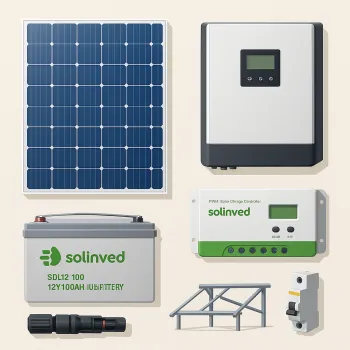
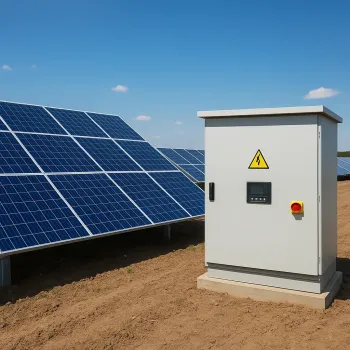
Solinved's high-efficiency solar panels supply energy directly to EV charging stations. The panels transfer DC electricity generated throughout the day to the system and route it to energy storage units as needed.
2. Solar Inverters
The DC energy obtained from solar panels is converted to AC through Solinved's smart solar inverters. AC power provides the standard electrical current needed for EV charging devices to operate.
3. Energy Storage Systems
Solinved's lithium battery solutions supply energy when sunlight is insufficient, ensuring vehicles can be charged without interruption even at night or on cloudy days.
4. Charging Stations (AC and DC)
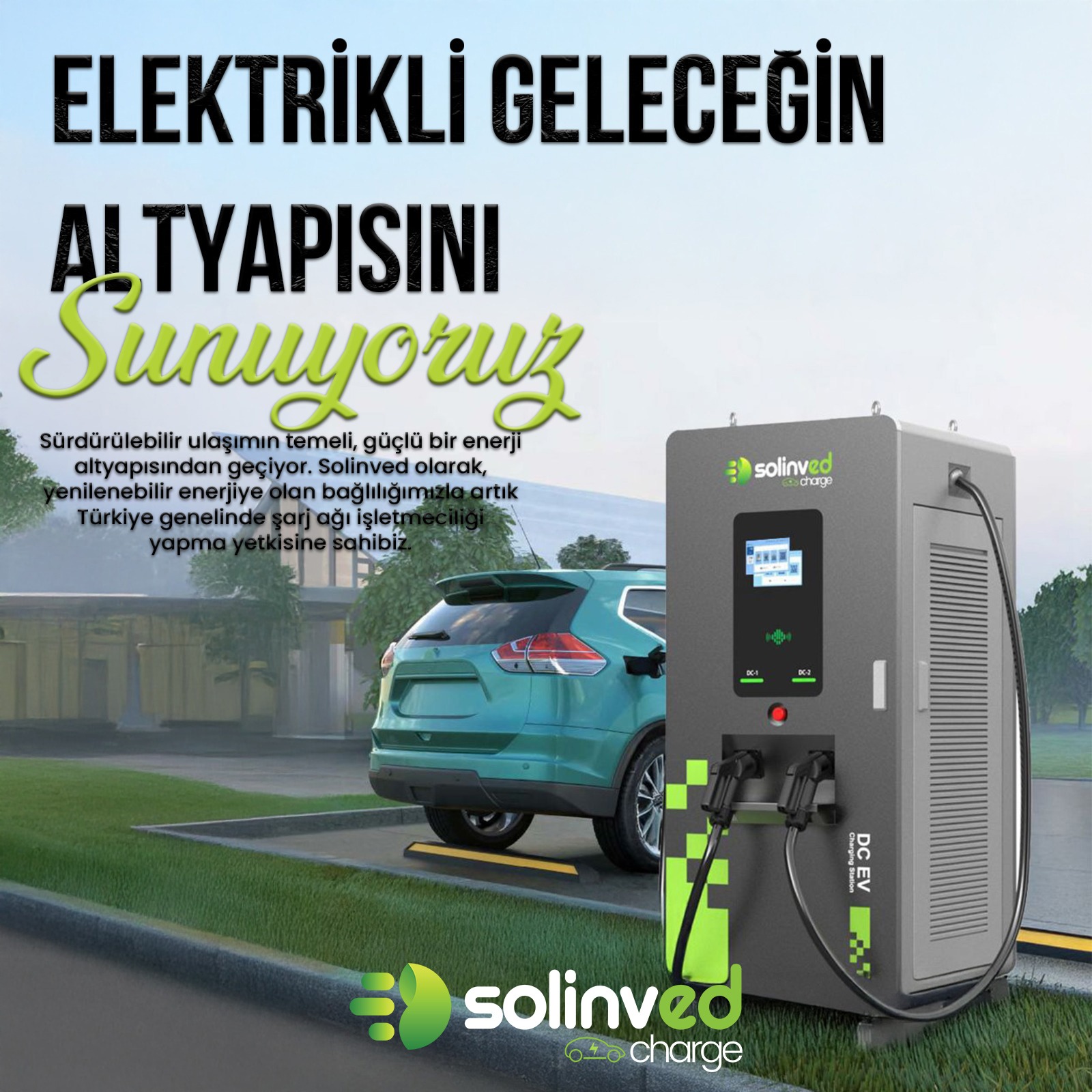
Solinved Charge offers both AC and DC charging devices. AC chargers are suited for home and workplace use, while DC fast chargers provide rapid energy delivery especially in commercial areas and on highways.
5. Smart Energy Management
The energy management system developed by Solinved optimizes the use of charging stations. The system monitors energy production, storage, and consumption in real time, enabling both energy savings and an extended system lifespan.
Advantages of Solar-Powered EV Charging
Low Operating Costs: Electricity bills are reduced with energy generated from the sun.
Eco-Friendly Energy Use: Eliminates fossil fuel use and minimizes carbon footprint.
Energy Independence: Vehicles can be charged without relying on grid electricity.
Flexible Installation: Can be easily implemented in homes, workplaces, parking lots, and suburban areas.
Future Investment: As EV usage grows, solar-powered charging infrastructure gains in value.
Agricultural and Commercial Use with Solinved Charge
Solar-powered charging systems offer advantages not only for individual users but also in commercial and agricultural settings. For example:
Commercial Vehicle Fleets: Reduces energy costs for charging electric taxis, buses, or cargo vehicles.
Agricultural Vehicles: Provides energy independence for electric tractors and irrigation systems using solar energy.
Parking Lots and Shopping Centers: Offers visitors an eco-friendly and economical charging option.
Integration and Ease of Use with Solinved Charge
Solinved Charge systems can be monitored via a user-friendly interface and mobile app. The charging stations:
Display energy production and consumption in real time.
Monitor battery charge level and available energy.
Optimize AC and DC charging options to provide fast and safe charging.
These features offer EV owners a secure and uninterrupted charging experience.
FAQ (Frequently Asked Questions)
1. Which vehicles are Solinved Charge stations compatible with?
Compatible with all AC and DC-capable electric vehicles. Supports standard EV charging protocols.
2. What happens when solar energy is insufficient?
Thanks to lithium batteries, energy is stored and vehicles can be charged without interruption.
3. What is the difference between AC and DC charging?
AC charging is suitable for slower, lower-power devices; DC charging is used for fast, high-power devices.
4. Is installation difficult?
Solinved Charge systems can be easily installed in both residential and commercial settings thanks to their user-friendly design.
5. Does the system require maintenance?
Minimal maintenance is required; cleaning the solar panels and periodic system checks are sufficient.