
Power Inverter Types and Prices
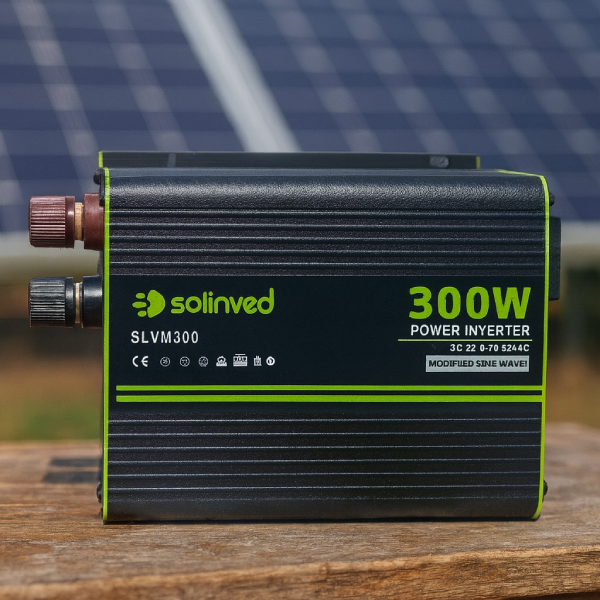
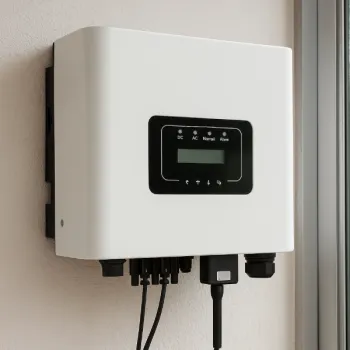
The power inverter, one of the most important components of solar energy systems, converts the direct current (DC) electricity obtained from solar panels into the alternating current (AC) used in homes and businesses. These devices serve not only as energy converters but also as the brain of the system.
Solinved offers high-efficiency power inverter solutions developed with domestic engineering expertise, delivering maximum performance and safety in energy conversion. In this article, we will examine in detail the types of power inverters, their application areas, and the factors affecting their prices.
What Is a Power Inverter?
A power inverter is a device that converts electrical current. The energy produced by solar panels is in DC (direct current) form; however, electrical appliances in homes operate on AC (alternating current). Inverters enable the use of solar energy in daily life by performing this conversion.
Additionally, inverters optimize energy production, communicate with the grid, manage battery charging, and ensure system safety. Therefore, choosing the right inverter is of great importance for both energy efficiency and system longevity.
Types of Power Inverters
Power inverters are manufactured in different types according to their operating principles and system structures.
Solinved aims to maximize user energy efficiency by offering inverter solutions suitable for every need.
1. On-Grid (Grid-Connected) Inverters
These inverters are used in grid-connected systems. They convert the energy produced by solar panels into AC, meeting both in-building consumption and feeding surplus energy back into the grid.
Advantages:
Provides uninterrupted energy with grid support.
Enables the sale of excess energy.
Offers high conversion efficiency.
Solinved On-Grid Inverters:
Equipped with high-efficiency MPPT technology. Suitable for industrial and residential systems with grid synchronization, remote monitoring, and safe shutdown features.
2. Off-Grid (Grid-Independent) Inverters
Used in areas where there is no electricity infrastructure. These inverters manage the energy from solar panels and batteries, creating a fully independent system.
Advantages:
Provides uninterrupted energy in locations without grid electricity.
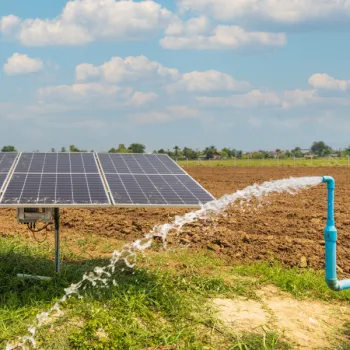
Ideal for agricultural irrigation systems, rural settlements, and camping areas.
Energy use at night is possible thanks to battery integration.
Solinved Off-Grid Inverters:
Fully compatible with lithium batteries with high discharge tolerance. Delivers high efficiency in agricultural irrigation and remote-area energy solutions.
3. Hybrid Inverters
Hybrid inverters are advanced devices capable of operating both grid-connected and with battery backup. These systems optimize solar energy production while storing surplus energy in batteries.
Advantages:
Intelligently manages solar energy, batteries, and the grid.
Provides uninterrupted energy during power outages.
Can be used in both residential and commercial applications.
Solinved Hybrid Inverters:
Automatically optimizes the balance of production, storage, and consumption with intelligent energy management algorithms. Forms the backbone of Solinved hybrid systems with remote monitoring support and high conversion efficiency.
4. Smart Inverters
Next-generation inverters. Unlike conventional inverters, they analyze energy flow and can digitally balance production and consumption.
Advantages:
Remote control and monitoring capability.
High efficiency (up to 98%).
Real-time data logging and reporting.
Solinved Smart Inverters:
Developed with an IoT (Internet of Things)-based infrastructure, the Solinved Smart series supports intelligent energy management. It has a wide range of applications, from residential systems to industrial facilities.
What to Consider When Choosing a Power Inverter
System Type (On-Grid, Off-Grid, Hybrid): Inverter selection must be determined according to the system's operating structure.
Power Capacity: Inverter power should be equal to or slightly above panel capacity.
MPPT (Maximum Power Point Tracking): This technology ensures panels operate at maximum efficiency.
Efficiency Rating: Inverters with higher conversion efficiency reduce energy losses.
Warranty and Technical Support: Solinved provides domestic production and technical service support for all inverter series.
Factors Affecting Power Inverter Prices
Power inverter prices vary according to many technical factors beyond brand and model.
Solinved offers quality solutions with inverter options suitable for every budget and need.
1. Inverter Type: On-grid inverters are generally more affordable, while hybrid inverters are more costly due to their advanced energy management features.
2. Power Capacity (kW): As inverter power increases, so does the price.
For residential systems, the 3–10 kW range is typically preferred, while the 50–100 kW range is favored for industrial systems.
3. Technology and Efficiency: Smart inverters and hybrid models are in a higher price range because they include advanced MPPT control, remote monitoring, and battery management systems.
4. Battery Compatibility: Some inverter models do not support direct battery connection. Battery-compatible hybrid inverters may be more expensive but provide the advantage of energy storage.
5. Warranty and Service: Solinved inverters provide users with economical and safe operation through long warranty periods, domestic production advantages, and an extensive technical support network.
Key Features of Solinved Power Inverters
Up to 98% energy conversion efficiency
Maximum output with MPPT technology
Automatic power management between grid, battery, and solar energy
Intelligent temperature control and protection circuits
Remote monitoring and data logging support
Silent, durable, and IP-rated design
Domestic production and 24/7 technical support
Power Inverter Application Areas
Solinved inverter solutions serve a broad range of applications:
Residential solar energy systems
Commercial facilities
Agricultural irrigation systems
Electric vehicle charging stations
Off-grid living spaces
Industrial energy management
Inverter power and type are determined according to each system's needs. The Solinved engineering team ensures the correct product selection for each project.
Manage Energy Intelligently with Solinved
Solinved places not only energy conversion but also energy management at the heart of its inverter production. The inverters it manufactures optimize the entire energy flow — from panels to batteries, from the grid to consumption points.
With its domestic manufacturing power, engineering support, and high-efficiency products, Solinved is a trusted brand in energy conversion. Choosing the right inverter for projects of any scale increases both energy efficiency and return on investment in the long run.
FAQ (Frequently Asked Questions)
1. What is a power inverter?
It is a device that converts DC electricity from solar panels into AC.
2. What is the difference between an on-grid and off-grid inverter?
On-grid inverters operate connected to the grid, while off-grid systems are completely independent.
3. What is the advantage of a hybrid inverter?
Hybrid systems can operate both grid-connected and with batteries, providing backup power during outages.
4. What factors affect power inverter prices?
Capacity, technology, inverter type, and brand quality are the main factors that influence the price.
5. What is the warranty period for Solinved inverters?
Solinved inverters come with a long warranty period and domestic technical support advantage.