

Can a Smart Inverter Operate Without a Battery?
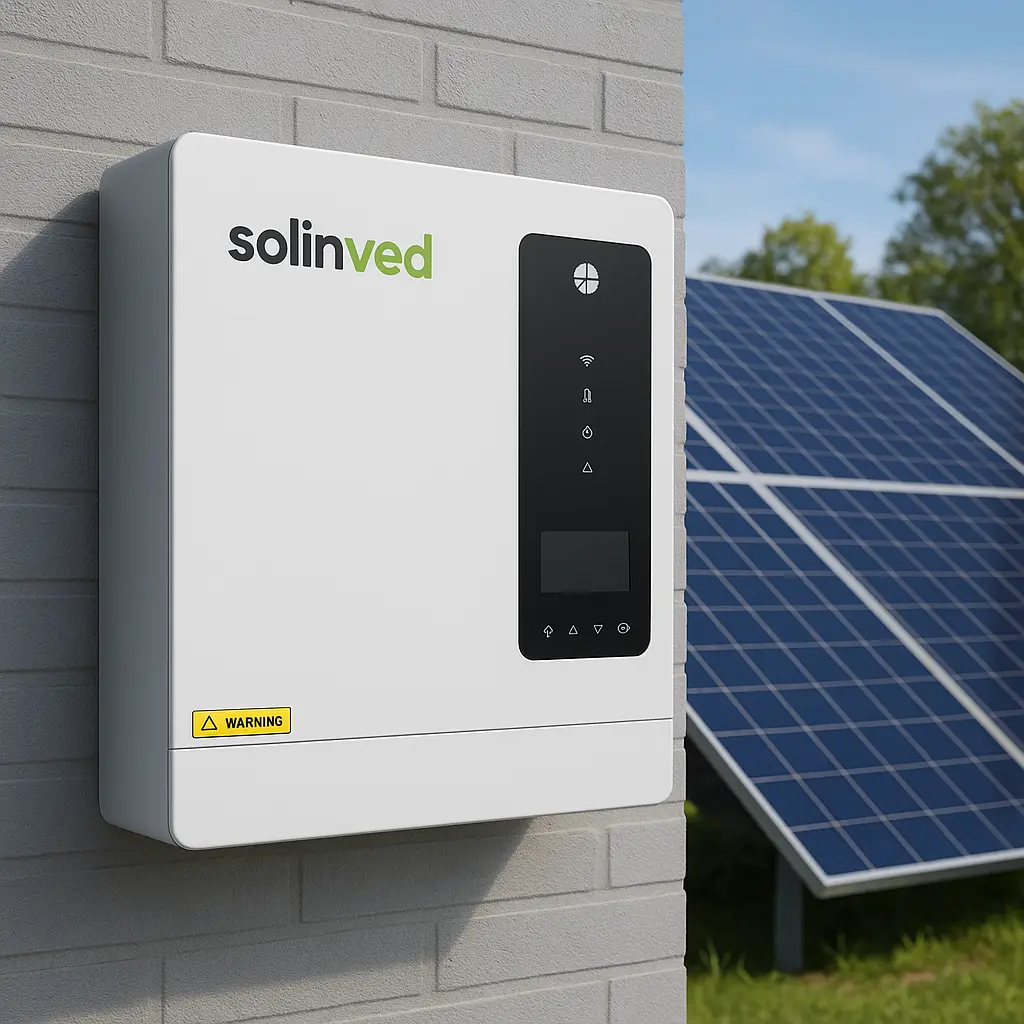
One of the most frequently asked questions in solar energy and renewable energy systems is whether smart inverters can operate without a battery. This topic is critically important for users planning both residential and commercial solar energy systems. In this article, the operating principles of smart inverters, their battery dependency, and battery-free usage scenarios will be examined in detail.
What Is a Smart Inverter?
A smart inverter is an advanced device that essentially converts the direct current (DC) obtained from solar panels into alternating current (AC) and optimizes the energy management of the system. Unlike conventional inverters, smart inverters can:
- Increase energy efficiency
- Operate in sync with the grid
- Provide energy routing and storage integration
- Offer real-time monitoring and remote management
These features position the smart inverter as the brain of the system.
The Relationship Between Smart Inverters and Batteries
Smart inverters can generally operate in two ways:
Battery-based systems: Used in conjunction with batteries for energy storage. When solar energy is abundant, the batteries charge; when needed, energy is drawn from the batteries. These systems are particularly ideal for off-grid use.
Battery-free systems (Grid-tied): Operates without a battery by directing solar energy to the grid or to immediate points of consumption. Since there is no energy storage in this type of system, energy is supplied directly from the grid when there is no sunlight.
Can a Smart Inverter Operate Without a Battery?
Yes, smart inverters can operate without a battery, but there are some important points to be aware of:
- Grid Connection Requirement: For a smart inverter to operate in a battery-free system, it must be connected to the grid. The grid serves as the reference point for both energy consumption and balancing.
- Continuity Is Limited Without Energy Storage: Since there is no battery, if there is no sunlight or if energy demand exceeds solar production, the system meets its electricity needs from the grid. In other words, battery-free systems cannot provide backup energy.
- Grid-Supported Features: Smart inverters can synchronize with the grid even without a battery, optimize energy flow, and perform grid-compatible voltage/frequency control.
Advantages of Using a Battery-Free Smart Inverter
- Lower Cost: System installation becomes more economical without the cost of a battery.
- No Maintenance Required: Without a battery, issues related to battery maintenance and lifespan are eliminated.
- Easy Installation: Since no battery installation is required, setup is faster and simpler.
Disadvantages of Battery-Free Systems
- No Energy Storage: Energy use is limited at night or on days with little sunlight.
- Grid Dependency: Battery-free systems are entirely dependent on the grid for energy continuity.
- No Backup Energy: Cannot provide energy in the event of a power outage.
Conclusion
Smart inverters are flexible devices that can operate in both battery-based and battery-free systems. Battery-free use is possible, but this mode of operation depends on the grid connection and sunlight. While battery use increases the energy continuity of the system, battery-free systems offer lower-cost and easier-to-maintain solutions.
In system design, the decision of whether to use a battery is critically important in terms of both cost and energy security. Working with an expert firm for battery-free system installation with a smart inverter, grid connection, and energy management maximizes system performance.
To discuss the best options for your installation — including battery-free and hybrid systems — and for solar energy solutions tailored to your needs, contact Solinved.


