
Storable Solar Energy Systems

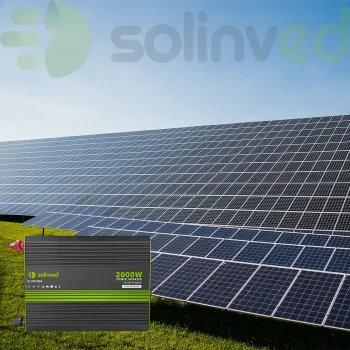
Renewable energy sources are becoming increasingly widespread, and solar energy has emerged as one of the most preferred sustainable energy options. However, one of solar energy's biggest drawbacks is its inability to generate power when there is no sunlight. The solution to this problem has become possible with storable solar energy systems. These systems store the solar energy generated so that power can be supplied at night or on cloudy days as well.
In this article, we will examine the operating principles, advantages, and future potential of storable solar energy systems.
What Are Storable Solar Energy Systems?
Storable solar energy systems are systems that enable the electricity generated by solar panels to be stored in energy storage units for later use. These systems typically utilize energy storage technologies such as lithium-ion batteries, lead-acid batteries, or molten salt storage systems.
How Do They Work?
- Solar panels convert sunlight into electricity.
- The generated electricity is converted from direct current to alternating current via an inverter.
- When electricity production exceeds demand, the surplus energy is stored in batteries or cells.
- At night or during non-sunny hours, the stored energy is used again.
Advantages of Storable Solar Energy Systems
The main reasons these systems are preferred are as follows:
- Uninterrupted Power Supply: Continues to provide energy even during power outages.
- Lower Electricity Bills: Since the energy obtained from the sun is stored, dependence on the grid is reduced.
- Eco-Friendly and Sustainable: Contributes to the reduction of carbon emissions.
- Energy Independence: Provides energy independence in rural areas or regions far from the electricity grid.
Storage Technologies: Which Option Is Better?
Different storage solutions can be used in storable solar energy systems:
Lithium-Ion Batteries
- The most widely preferred storage technology.
- Offers high energy efficiency.
- Longer lifespan and requires less maintenance.
Lead-Acid Batteries
- More affordable, but has a shorter lifespan compared to lithium-ion batteries.
- Generally preferred in rural areas or lower-cost systems.
Molten Salt Storage Systems
- Used for energy storage on a very large scale.
- Preferred as a utility-scale storage solution.
The Future of Storable Solar Energy Systems
Thanks to technological advances, solar energy storage systems are becoming more efficient and cost-effective. In particular, AI-powered energy management systems are helping users optimize their energy consumption.
Furthermore, as demand for eco-friendly and sustainable energy solutions grows, governments are encouraging the wider adoption of these systems by offering incentives and support programs for renewable energy.
Storable solar energy systems are a critical technology that enables solar energy to be used more widely and effectively in the future. Thanks to their energy-saving potential, cost advantages, and environmental friendliness, they are favored by a broad audience ranging from individual users to industrial investors.
If you too want to generate your own energy and invest in the future, by choosing storable solar energy systems you can enjoy an independent and sustainable energy source!