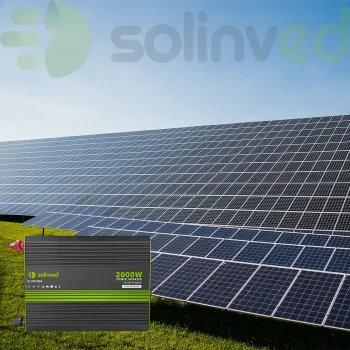

What Is a Solar Panel? What Does It Do?

Solar panels are devices that convert sunlight into electrical energy. Solar energy, as a continuous and clean energy source, offers an alternative to fossil fuels. These panels provide an eco-friendly and cost-effective option especially for meeting electricity needs.
Solar panels consist of photovoltaic (PV) cells, which absorb sunlight and generate electrical current. As a result, they have a wide range of applications spanning from homes to businesses, agriculture to industry.
Benefits of Solar Panels:
- Clean and Renewable Energy: A more eco-friendly option compared to fossil fuels.
- Economic Advantage: Provides significant savings on energy bills over the long term.
- Low Maintenance Cost: Panels require minimal maintenance and typically have a lifespan of 25 years or more.
- Energy Independence: Provides a major advantage especially in rural areas and regions with poor electricity infrastructure.
- Reducing Carbon Emissions: As an environmentally friendly energy source, it contributes to lowering the carbon footprint.
Types of Solar Panels
Solar panels are divided into different types according to their applications and efficiencies:
- Monocrystalline Panels: Panels that offer high efficiency and long life. Although more expensive, they generate more energy in limited spaces.
- Polycrystalline Panels: More cost-effective, but slightly less efficient than monocrystalline panels.
- Thin-Film Panels: Can be applied to a variety of surfaces thanks to their flexible and lightweight design, but have lower efficiency.
How Do Solar Panels Work?
Solar panels operate on the principle that photons from the sun strike a semiconductor material, generating an electric current. This electricity is converted to alternating current (AC) through inverter devices, making it usable in homes and businesses.
Applications of Solar Panels
- Homes and Buildings: Panels mounted on rooftops can enable individual energy generation.
- Industrial and Commercial Use: Preferred by factories and large facilities to reduce energy costs.
- Agriculture and Irrigation Systems: Supports irrigation and production processes in agricultural activities.
- Vehicles: Can be used as an additional energy source for electric cars, boats, and caravans.
The Future of Solar Panels
With ongoing technological advances, solar panels are becoming more efficient and affordable. In the future, more effective energy solutions are expected to be delivered through nanotechnology and AI-assisted systems.
In conclusion, solar panels provide an eco-friendly and cost-effective option for meeting energy needs while playing a critical role in shaping a sustainable future.