
Which Type of Solar Inverter Is the Best?
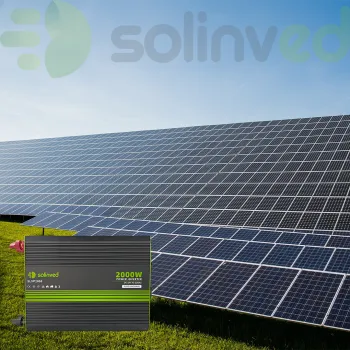
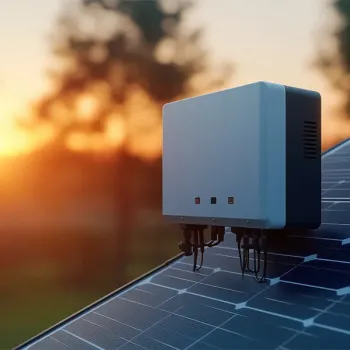
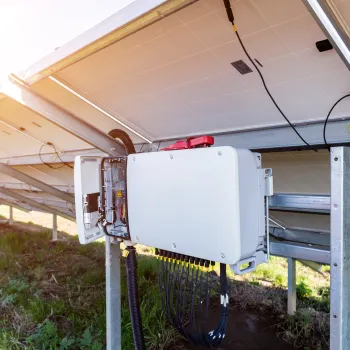
One of the most critical components of solar energy systems is solar inverters. Inverters convert the DC (direct current) energy obtained from solar panels into AC (alternating current) energy, making it usable in homes, workplaces, or agricultural irrigation systems. However, inverter selection directly affects system efficiency and energy costs.
In this article, we will examine in detail the different types of solar inverters, their advantages, and which inverter should be chosen in which situation, together with Solinved solutions.
Types of Solar Inverters
Solar inverters are generally divided into three main categories:
1. Standard (String) Inverters
Definition: Receives energy from solar panels as a group (string) and converts it to AC.
Advantages:
Easy to install
More economical from a cost perspective
Suitable for small to medium-sized systems
Disadvantages:
If one panel is shaded, the entire string's efficiency drops
Performance optimization becomes more difficult as system scale grows
2. Micro Inverters
Definition: A separate inverter is used for each solar panel. Energy conversion is performed on a per-panel basis.
Advantages:
Resistant to shading and panel performance issues
Energy production can be monitored at panel level
A fault in any panel in the system does not affect the entire system
Disadvantages:
Costs are higher compared to string inverters
Installation and maintenance process is more complex
3. Smart Inverters / Hybrid Inverters
Definition: Inverters capable of managing both AC and DC energy and operating in integration with energy storage systems and batteries.
Advantages:
Optimizes solar energy and battery storage
Maximizes energy efficiency
Offers remote monitoring and control features
Compatible with various use cases such as agricultural irrigation, EV charging, and industrial systems
Disadvantages:
Costs are higher compared to standard string inverters
Installation time may be somewhat longer
Which Type of Solar Inverter Is the Best?
Solar inverter selection varies depending on the application and energy requirements:
Residential Systems:
For small-scale home systems, standard inverters are cost-effective and sufficient.
Shaded or Complex Areas:
If there is a high risk of shading on rooftop or ground-mounted panels, micro inverters will be more efficient.
Energy Storage and Smart Management Needs:
If battery storage, agricultural irrigation, or electric vehicle charging integration is required, smart/hybrid inverters are the most suitable option.
Solinved smart inverters can work in both AC and DC systems, operate in integration with batteries, and provide remote monitoring capability, delivering maximum efficiency and control.
Key Considerations When Selecting a Solar Inverter
System Capacity: The inverter's power rating must be compatible with the total capacity of the solar panels.
Efficiency: High-efficiency inverters minimize energy loss.
Durability: Inverters resistant to external factors such as temperature, humidity, and shading should be preferred.
Energy Storage Compatibility: Inverters compatible with lithium batteries or other energy storage systems ensure uninterrupted power supply.
Remote Monitoring and Control: Smart inverters offer real-time system performance monitoring and energy management capability.
Advantages of Solinved Solar Inverters
High Efficiency: Optimizes panel efficiency through MPPT technology.
Remote Monitoring: Energy production can be tracked via mobile application and web interface.
Energy Storage Integration: Seamless integration with battery and solar system.
Long Life and Durability: Design resistant to harsh climatic conditions.
User-Friendly Installation: Quick mounting and minimal maintenance requirements.
FAQ
1. Which inverter type is the best?
It varies by application: string inverters for home systems, micro inverters for shaded areas, and hybrid/smart inverters for energy storage or smart management.
2. Which systems are Solinved inverters compatible with?
They are fully compatible with residential, commercial, industrial, and some agricultural applications.
3. Do smart inverters improve energy efficiency?
Yes, they deliver maximum energy production with MPPT and smart control features.
4. Do they require maintenance?
Solinved inverters require minimal maintenance; periodic cleaning and connection checks are sufficient.
5. Is remote monitoring possible?
Yes, smart models can be monitored via mobile and web interface.