

Energy Efficiency of Inverter Systems
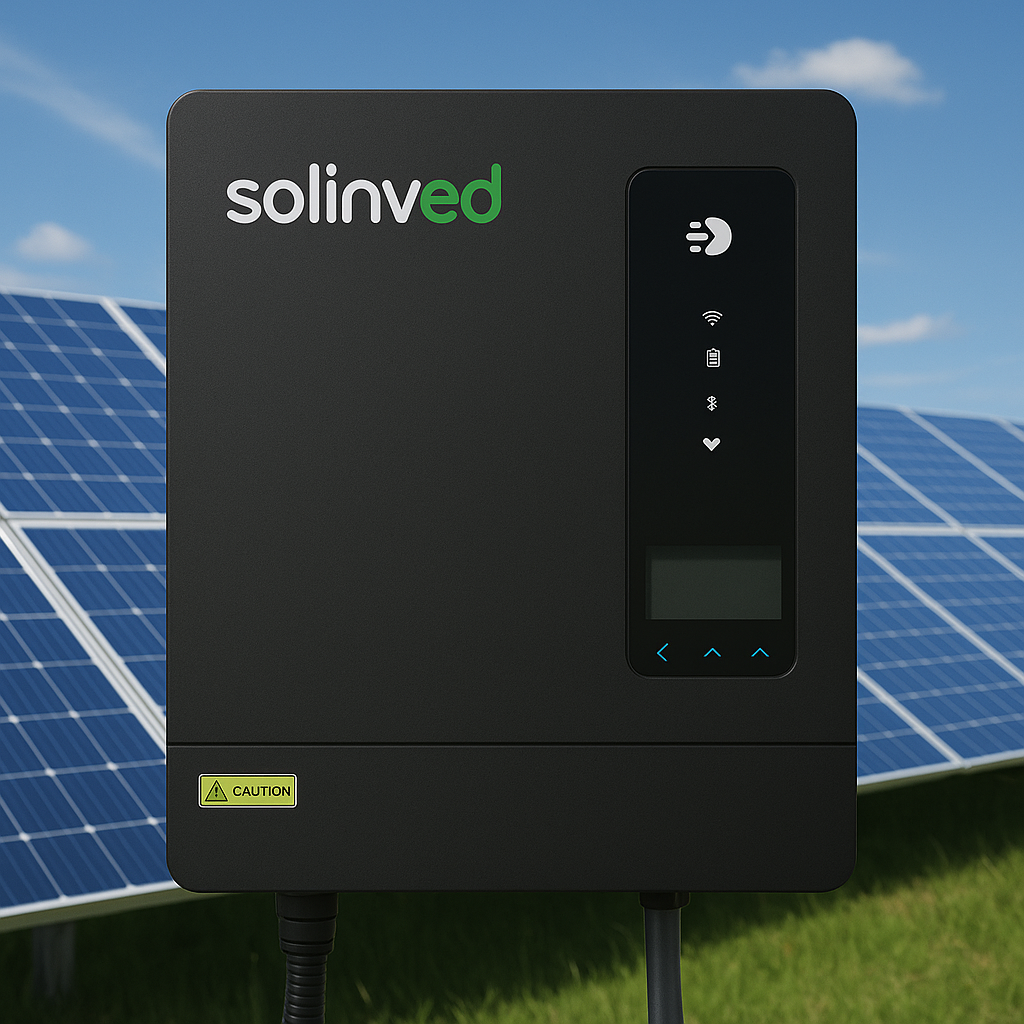
Inverters, one of the most important components in solar energy systems, enable solar energy to become usable by converting direct current (DC) into alternating current (AC). However, the efficiency of inverters is a critical factor that directly affects the overall performance of the system. Inverter efficiency impacts many important aspects including optimization of energy production, long service life, and safety. In this article, we will provide a detailed explanation of the energy efficiency of inverter systems and examine ways to improve inverter performance in solar energy systems.
What Is an Inverter and What Does It Do?
An inverter is an electronic device that converts direct current (DC) obtained from solar panels into alternating current (AC). In solar energy systems, solar panels generate direct current, but most residential and industrial devices require AC power. Therefore, in solar energy systems, inverters integrate solar energy into the grid and power electrical devices in homes.
Inverters are not only responsible for energy conversion; they also play an important role in terms of energy efficiency. A good inverter must convert the energy obtained from solar panels into AC with the highest possible efficiency and minimize energy loss.
What Is Inverter Energy Efficiency?
Inverter efficiency refers to how efficiently the inverter converts the direct current received from the panel into alternating current. High-efficiency inverters convert the energy produced by the panel with fewer losses. This means more electricity generation and lower energy loss.
Inverter efficiency generally ranges between 90% and 98%. High-efficiency inverters harvest more energy from panels under all sunlight conditions. Efficiency can vary depending on the inverter's design, the components used, and operating conditions.
Factors Affecting Inverter Efficiency
There are many factors that affect the energy efficiency of inverters. Here are some of them:
1. Inverter Type
Inverters come in different types, and each type offers a different efficiency rate:
Pure Sine Wave Inverters: Provide high efficiency. They operate in sync with the electricity grid and are generally preferred for sensitive devices.
Modified Sine Wave Inverters: Offer lower efficiency but are more affordable. Suitable for simple devices.
Micro Inverters: A separate inverter is used for each panel, so shading or panel faults do not affect the efficiency of the entire system. Micro inverters generally deliver higher efficiency.
String Inverters: Generally used in larger systems and optimize the energy production of a specific group (string) of panels.
2. MPPT Technology
MPPT (Maximum Power Point Tracking) is a technology used to enable inverters to extract maximum energy from solar panels. MPPT technology continuously optimizes panel voltage and current alongside the variability of sunlight. This technology increases inverter efficiency and enables greater energy production.
The greatest advantage of MPPT technology is its ability to optimize the efficiency of panels according to different lighting conditions. For example, when the direction the panel faces changes, or when the weather is cloudy, the MPPT inverter identifies the maximum power point of the panel and prevents energy loss.
3. Operating Temperature
The operating temperature of inverters has a direct effect on efficiency. Inverters may operate with lower efficiency at high temperatures. For this reason, cooling systems for inverters are critically important. Also, the ambient temperature where inverters are located can affect efficiency. For example, high temperatures in summer months may cause the inverter to operate less efficiently.
4. Inverter Quality and Technology
High-quality inverters provide higher efficiency than low-quality ones. These inverters achieve better energy conversion using advanced components and intelligent software. Additionally, the brand and manufacturer of the inverter can also affect quality. A reliable brand generally offers more durable and more efficient inverters.
5. Panel and Inverter Compatibility
There must be compatibility between the solar panel capacity and the inverter capacity. If the panel capacity is much higher than the inverter capacity, the inverter may not be able to process all the energy, leading to efficiency losses. On the other hand, having excessive inverter capacity can also increase costs. Therefore, choosing the right inverter is of critical importance for system efficiency.
Ways to Improve Inverter Efficiency
You can pay attention to the following recommendations to improve the efficiency of inverters:
1. Choosing the Right Inverter
Selecting the right inverter for your solar energy system directly affects efficiency. Choosing inverters with a high efficiency rate that are compatible with high-efficiency panels such as monocrystalline panels will enhance the efficiency of your system.
2. Use MPPT Technology
MPPT technology allows the inverter to track the maximum power point. This enables the energy drawn from the panel to be used more efficiently. Using an MPPT charge controller increases efficiency especially under low-light conditions.
3. Use a Good Cooling System
Using a good cooling system is important to prevent inverters from overheating. Natural cooling or fan-based cooling systems can help inverters operate more efficiently.
4. System Maintenance
Regular maintenance ensures inverters operate efficiently. System efficiency can be improved through cleaning inverter filters, checking cooling systems, and software updates.
Conclusion
Inverters are one of the fundamental components of solar energy systems and play an important role in energy efficiency. An efficient inverter converts the energy received from the panel with minimum loss and extracts maximum benefit from solar energy. MPPT technology is one of the most important innovations that increases inverter efficiency and optimizes panel performance. Choosing the right inverter and paying attention to factors such as maintenance and cooling are of great importance for making your solar energy system more efficient.
A good inverter choice provides long-term energy savings and sustainable energy use. Improving the efficiency of your solar energy system will contribute to the environment while also helping you reduce your energy costs.


