
Differences Between Smart Inverters and Standard Inverters
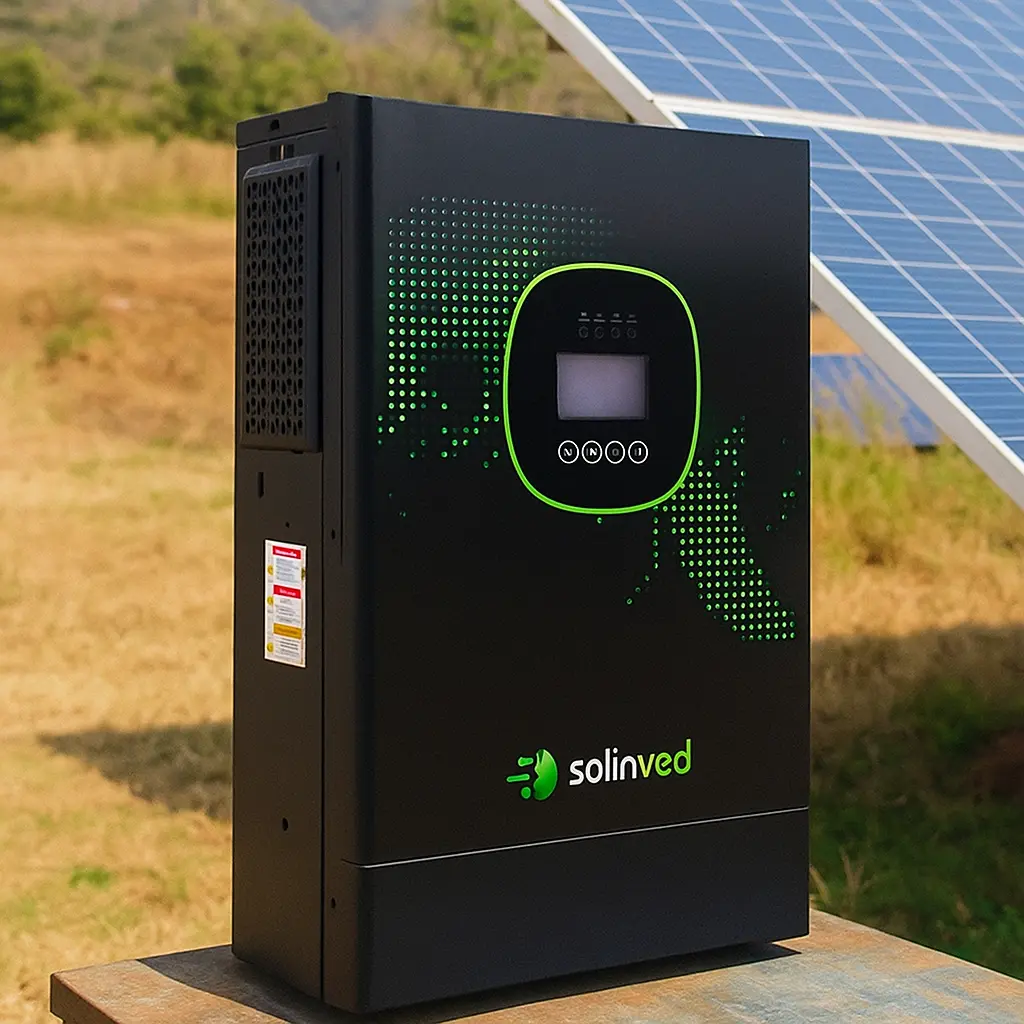
Differences Between Smart Inverters and Standard Inverters: Efficient Energy Management with Solinved
Inverters, which sit at the heart of solar energy systems, convert DC energy into AC energy, making power usable in homes, workplaces, and some agricultural applications. However, inverters can have different features; the two most common types are standard (normal) inverters and smart inverters.
In this article, we will examine in detail the differences between smart inverters and standard inverters, their advantages, and how you can improve energy efficiency with Solinved solutions.
What Is a Standard Inverter?
Standard or conventional inverters basically convert DC energy from solar panels into AC energy.
Features:
Provides basic energy conversion
Monitoring of system performance and energy production is limited
Generally suitable for small to medium-sized systems
More economical from a cost perspective
Disadvantages:
Efficiency loss can occur when one panel is shaded or faulty
No remote monitoring or energy optimization
Energy storage integration is limited
What Is a Smart Inverter?
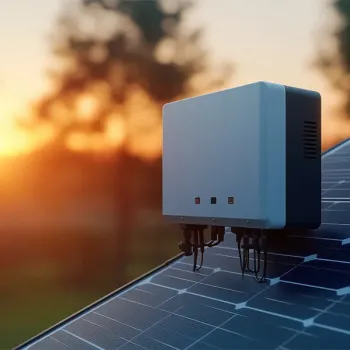
Smart inverters perform all the functions of standard inverters while also providing additional features and intelligent energy management.
Features:
Energy conversion from DC to AC
Optimizes panel efficiency with MPPT (Maximum Power Point Tracking)
Provides remote monitoring and control capability
Can work in integration with energy storage systems and batteries
Tracks system performance in real time and delivers energy savings
Advantages:
Maximum efficiency in energy production
Uninterrupted use with energy storage
Smart alerts and fault detection
User-friendly monitoring and control
Long-lasting and durable design
Key Differences Between Smart Inverters and Standard Inverters
| Feature | Standard Inverter | Smart Inverter |
|---|---|---|
| Energy Conversion | DC → AC | DC → AC + optimization |
| Energy Efficiency | Basic efficiency | High efficiency with MPPT and smart optimization |
| Energy Storage | Limited or none | Integrated with battery and storage systems |
| Remote Monitoring | None | Real-time monitoring via mobile or web |
| Performance Tracking | Limited at panel level | Detailed monitoring at panel and system level |
| Fault Detection | Only basic alerts | Detailed alerts, automatic detection, and reporting |
| Application Area | Small and medium-sized systems | Residential, commercial, industrial, and agricultural applications |
Which Inverter Should Be Chosen in Which Situation?
Small Home Systems: Standard inverters are cost-effective and meet energy needs.
Shading and Complex Roof Areas: Smart inverters prevent efficiency loss with panel-level optimization.
Energy Storage and Smart Management Needs: Smart inverters work integrated with batteries to provide uninterrupted power.
Commercial or Industrial Systems: Smart inverters stand out with high performance and remote monitoring advantages.
Agricultural Irrigation (Optional): Smart inverters can work in integration with energy-efficient irrigation systems and reduce costs.
Solinved Smart Inverter Advantages
High Efficiency: Ensures maximum efficiency from solar panels through MPPT technology.
Remote Monitoring: Tracks system performance in real time via mobile application and web interface.
Energy Storage Integration: Works seamlessly with lithium batteries and energy storage systems.
Long Life and Durability: Design resistant to high temperatures and harsh climatic conditions.
User Friendly: Easy installation and minimal maintenance requirements.
FAQ
1. Why are smart inverters more efficient?
MPPT and energy optimization technology extracts maximum energy from panels and minimizes losses.
2. What are the disadvantages of using a standard inverter?
Features such as shading handling, battery integration, and remote monitoring are limited, and energy loss may occur.
3. Which systems are smart inverters compatible with?
They are compatible with many applications including residential, commercial, industrial systems, and agricultural irrigation.
4. Do they require maintenance?
Both inverter types require minimal maintenance, but performance optimization and fault detection make maintenance easier with smart inverters.
5. Does using a smart inverter reduce energy costs?
Yes, the system reduces energy costs through maximum efficiency and energy management.