
What Are Solar Energy Equipment?
What Is Solar Energy and Why Is It Important?
Solar energy is the cleanest and most sustainable energy source found in nature. As energy demand continues to grow, interest in renewable energy systems is rapidly increasing in order to counter the environmental damage caused by fossil fuels. One of these systems is solar energy systems. Solar energy is converted directly into electricity through solar panels, making it usable in both residential and commercial settings.
So, how does a solar energy system work, and what equipment is required? In this article, we will examine the key equipment used in solar energy systems.
Solar Panels
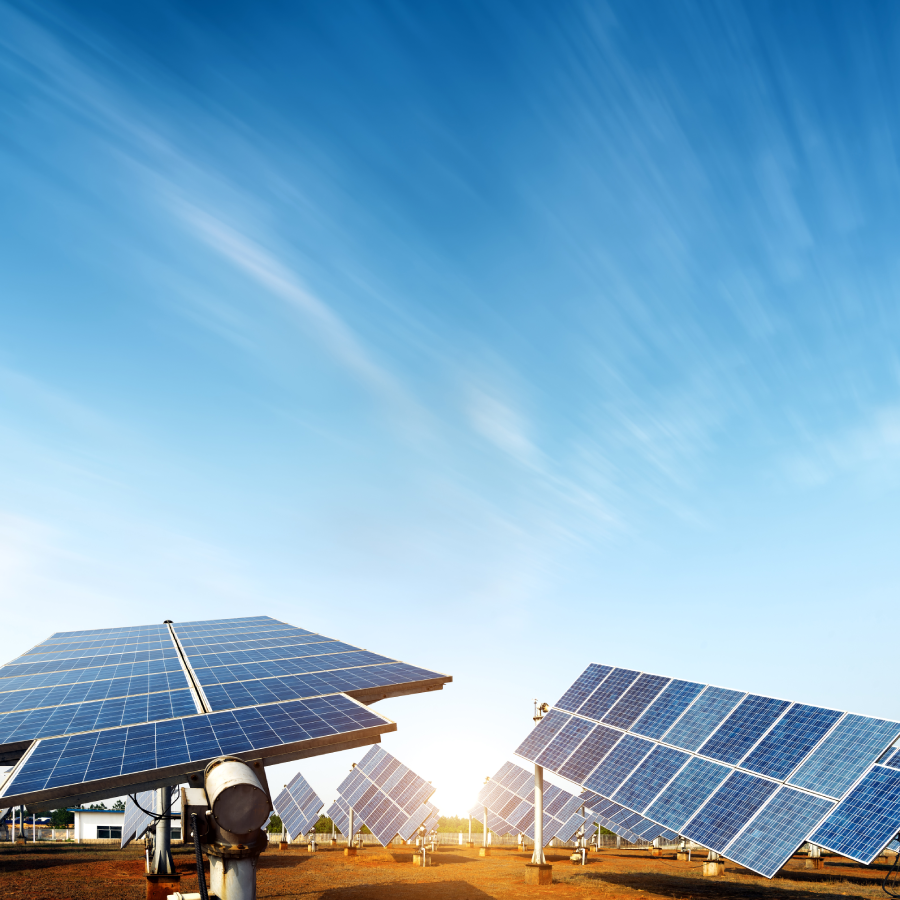
The heart of any solar energy system, solar panels are devices that convert sunlight into electrical energy. They are generally available in two main types:
- Monocrystalline Panels: High-efficiency panels produced from a single silicon crystal. This type of panel collects sunlight more efficiently and generates electricity accordingly.
- Polycrystalline Panels: Panels produced from multiple silicon crystals. They are more affordable but offer slightly lower efficiency compared to monocrystalline panels.
Solar panels are typically used in rooftop systems, and the larger the surface area, the higher the efficiency. Innovative technologies such as bifacial panels also increase energy production by capturing light from both the front and rear surfaces.
Inverters
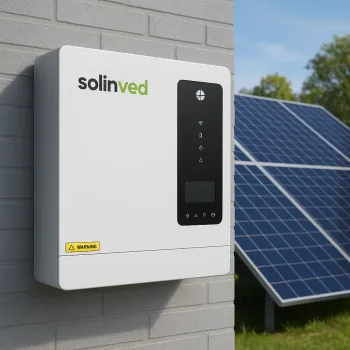
The direct current (DC) electricity generated by solar panels must be converted into the alternating current (AC) used in homes and commercial facilities. This is where inverters come into play.
Inverters are indispensable components of solar energy systems and come in three main types:
- On-Grid Inverters: Used in grid-connected systems; excess energy produced is fed back into the grid.
- Off-Grid Inverters: Used in independent systems not connected to the grid. Working in integration with energy storage systems, these inverters allow energy to be used even when there is no sunlight.
- Hybrid Inverters: Systems that operate both with a grid connection and with energy storage (battery).
Inverters ensure the system operates efficiently and, while converting solar energy into electricity, also enable system monitoring.
Batteries
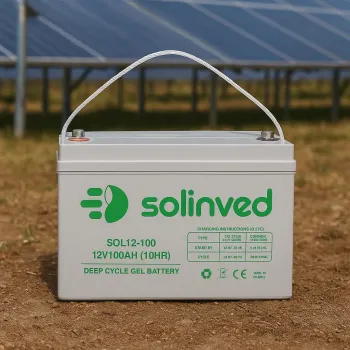
Energy storage systems play an important role in solar energy systems. Solar batteries are used to meet electricity needs when there is no sunlight — at night or on cloudy days. These batteries store excess energy produced by solar panels and make it available again when needed.
- Lithium Batteries: Offer a longer-lasting, lightweight, and highly efficient energy storage solution. With advancing technology, the cost of lithium batteries is also becoming increasingly affordable.
- Gel Batteries: More affordable, but lower in capacity and lifespan compared to lithium batteries. Generally preferred in smaller-scale systems.
Charge Controllers
Charge controllers ensure that the energy produced by solar panels is directed to batteries in the correct manner. These devices extend battery life by preventing overcharging and enable efficient energy storage.
Charge controllers come in two main types: MPPT (Maximum Power Point Tracking) and PWM (Pulse Width Modulation):
- MPPT Charge Controllers: More expensive but more efficient devices. They extract maximum output from solar panels and transfer energy to the battery in the most efficient way.
- PWM Charge Controllers: More economical, but offer lower performance in terms of efficiency compared to MPPT devices.
Mounting Systems and Cables
Mounting equipment is extremely important for the installation of solar energy systems. Special mounting systems are used to securely position solar panels. These systems ensure that the panels are firmly attached to the roof or ground.
In addition, cables and connectors are also necessary for the system to function properly. Cables used in solar systems must be durable and long-lasting, as solar energy systems are exposed to harsh weather conditions outdoors.
Solar Lighting Systems and Security Cameras
Lighting systems and security cameras powered by solar energy are ideal for saving energy, especially in outdoor environments. These systems use sunlight as their energy source, helping you save on electricity bills.
Solar lighting is widely used in parks, gardens, streets, and commercial areas. Solar-powered security cameras provide continuous surveillance even in the event of a power outage.
Conclusion: The Future of Technology in Solar Energy Systems
Solar energy is becoming an increasingly common solution with technologies that grow more efficient every year. Solar energy equipment is critically important for achieving energy efficiency and being able to use a sustainable energy source in our homes and workplaces. When setting up a solar energy system, choosing the right equipment is essential for long-term efficiency and energy savings.
Solinved offers the most efficient solar energy systems with high-quality equipment such as solar panels, inverters, batteries, and charge controllers. If you are considering installing your own solar energy system, you can contact our experts to select the right equipment.
Frequently Asked Questions (FAQ)
1. What are the most important components in a solar energy system?
The essential components of a solar energy system are as follows:
- Solar Panels: The primary component that converts sunlight directly into electricity. Can be used in rooftop systems or open areas.
- Inverters: Devices that convert the direct current (DC) obtained from solar panels into alternating current (AC). This allows electricity to be used in homes or commercial buildings.
- Batteries: Devices that store solar energy. They are important for using energy when it is not being generated (at night or on cloudy days).
- Charge Controllers: Protect batteries from overcharging and direct the energy from solar panels to the battery.
- Mounting Systems & Cables: Other components required to mount solar panels securely and ensure efficient system operation.
2. What should I consider when choosing a solar panel?
When choosing a solar panel, it is important to consider the following factors:
- Panel Type: Monocrystalline panels are more efficient but slightly more expensive. Polycrystalline panels are more affordable but have slightly lower efficiency. Bifacial panels capture light from both surfaces, generating more energy.
- Efficiency: Pay attention to how efficiently the panel uses sunlight. High-efficiency panels generate more energy in a smaller area.
- Durability and Warranty: The lifespan of solar panels is generally between 25–30 years, but warranties and manufacturer reliability also matter. Check the warranty terms offered by the manufacturer.
- Panel Power: Solar panels are available in power ratings ranging from 300W to 600W. It is important to choose a panel power suitable for your installation area.
3. What is the lifespan of solar batteries, and which type should I prefer?
Solar batteries can have different technologies and capacities. Lifespan varies depending on the battery type:
- Lithium Batteries: Lithium batteries generally have a lifespan of 10–15 years and feature a lighter, more compact design. They also offer more charge/discharge cycles for long-term use. However, their initial costs are somewhat higher.
- Gel Batteries: Gel batteries have a lifespan of 5–7 years and are more affordable. They are generally preferred in smaller-scale systems. They offer lower efficiency compared to lithium batteries.
- Lead-Acid Batteries: Although an older technology, lead-acid batteries are still used in some systems. However, they are shorter-lived and heavier compared to lithium batteries.
4. What should I consider when choosing an inverter?
When choosing an inverter, pay attention to the following:
- Power Capacity: You should choose an inverter appropriate for the total capacity of your solar energy system. This ensures your system operates efficiently.
- Grid Connection: If you are setting up a grid-connected system, you should opt for an on-grid inverter. If you want to store energy, a hybrid inverter or off-grid inverter will be more suitable.
- Efficiency: The efficiency of the inverter directly affects the amount of electricity generated from solar energy. High-efficiency inverters produce more energy.
- Warranty and Service: To ensure inverters have a long service life, it is beneficial to prefer brands that offer quality service and warranty.
5. What is the cost of a solar energy system?
The cost of solar energy systems varies depending on several factors:
- Number and Power of Panels: The number of panels to be used and the watt capacity of the panels affect the cost.
- Inverter and Battery Selection: Inverter and battery capacity can also increase the cost. Larger capacity systems require more expensive inverters and batteries.
- Installation and Mounting Fees: The installation of solar energy systems requires a professional team, which can also increase the total cost. In addition, the quality of materials used for mounting affects the price.
- Government Incentives and Discounts: In some countries and regions, there are government incentives and tax deductions for solar energy systems. Taking advantage of such support can shorten the return-on-investment period.
6. What are the maintenance requirements for solar energy systems?
Maintenance for solar energy systems is relatively low, but some periodic servicing is required for efficient operation:
- Panel Cleaning: Solar panels can get dirty due to dirt, dust, or leaves. Regular cleaning of the panels therefore prevents efficiency losses. It is generally recommended to clean the panels once or twice a year.
- Inverter Check: Regularly checking inverters ensures the system operates efficiently. In particular, look for error indicators on the inverter display.
- Battery Check: Batteries can lose capacity over time, so their condition should be checked at regular intervals.
7. What should be the most efficient location when installing a solar energy system?
When installing a solar energy system, it is very important that the panels are positioned to receive direct sunlight. Rooftops, especially when oriented to receive direct sunlight, are the most efficient locations. If rooftop space is insufficient, ground mounting can be carried out. In addition, areas where sunlight will not be obstructed should be preferred so that panels are not shaded.
8. Can my solar system operate at night?
Yes, your solar system can operate at night. By using energy storage batteries in solar energy systems, excess energy produced during the day can be used at night. If your system does not have an energy storage solution, energy generation will only occur when there is sunlight.